Our Fragile Planet: Environmental Programs for Spring 2019
This spring, learn about the benefits of native plants, waste reduction, how to take climate action and more through the Our Fragile Planet program series which offers a variety of environmental lectures and workshops for all ages, free of charge.
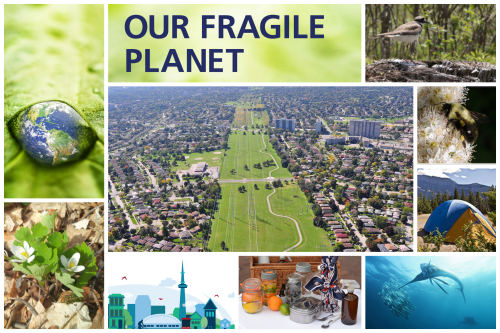
With support from the TD Friends of the Environment Foundation, Torontonians can connect with environmental experts through interactive presentations and hands-on learning experiences that raise awareness about their local environments but also help to spark the small changes that can have a huge impact on the future.

Here are a few highlights from the Our Fragile Planet programs happening from April to June 2019:
Waste Reduction
Plastic bags are out. Reusable bags are in! Learn how to create an environmentally-friendly tote bag. Registration required as this program fills up fast.
- Main Street Branch - Wednesday, April 3, 6:30 to 7:30 pm.
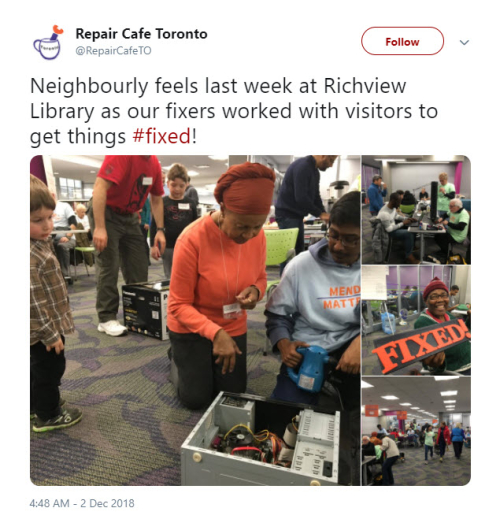
as our fixers worked with visitors to get things #fixed"
Don't throw it away! Bring your broken home appliances and electronics to the library and learn how to fix it with Repair Café Toronto, a group of volunteers who love to fix things. Learn a new skill and help to create a more sustainable world.
- Centennial Branch – Saturday April 6, 11:00 am to 3:00 pm.
- North York Central Library – Saturday, April 27, 10:00 am to 2:00 pm.
- Cedarbrae Branch – Saturday, June 22, 12:00 to 4:00 pm.
Waste Reduction Through Composting
Learn how to manage organic waste to create nutrient-rich compost for growing vegetables, fruit and flowers. Discover the science of composting and learn best practices and tips in this hands-on workshop.
- Malvern Branch - Saturday, April 20th, 2 to 3 pm.
- York Woods Branch – Thursday, June 13, 6 to 7 pm.
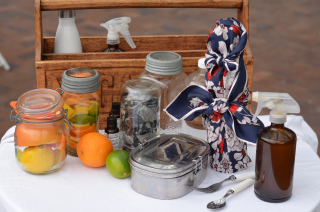
What is a Zero Waste Lifestyle?
Learn what zero waste means and how being more mindful of our daily choices can help reduce overall waste and consumption.
- North York Central Library - Thursday, May 23, 6:30 to 7:00 pm.
Gardening for Wildlife & Nature
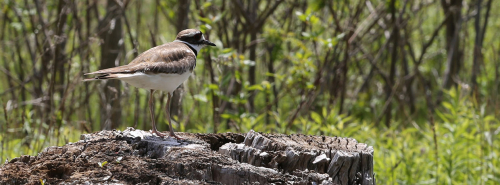
How to Help Toronto's Amazing Birds
Learn how different types of urban spaces can attract and support a diversity of bird species, and how you can ensure their survival throughout the year.
- Pape/Danforth Branch - Monday, April 8, 6 to 7 pm.
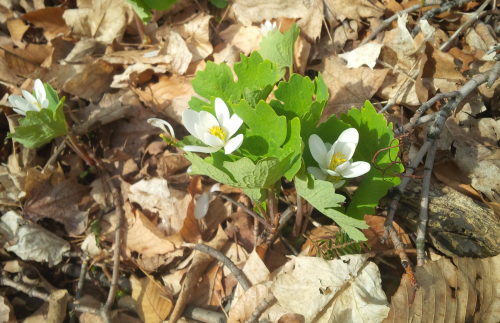
Native Plants: the easier, environmentally-friendly choice!
Native plants are not only important for supporting the needs of local wildlife but are better adapted to the local environment which means less maintenance. Learn how to be an ecologically-conscious gardener while growing a beautiful garden in this hands-on workshop.
- Cliffcrest Branch – Thursday, April 11 – 6:30 to 7:30 pm. *CANCELLED until further notice – please contact the branch for more information.
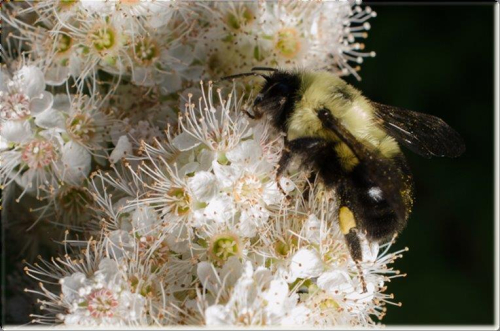
In Canada, there are more than 800 wild species of bees. This diverse and fascinating group of insects plays a pivotal role in the pollination of native plants and food crops. Join the Toronto Botanical Garden for a fun and informative session, and leave with a better understanding of wild bees and what you can do to protect them. Ages 6-10.
- Don Mills Branch - Saturday, April 13, 2:00 to 3:30 pm.
Urban Vegetable Gardening – Grow your own food for low-carbon eating!
No yard is too small to grow vegetables sustainably! Presented by the Toronto Master Gardeners, this hands-on, two-part workshop introduces participants to sustainable vegetables, growing seeds indoors and will include a follow-up with participants on the status of the seedling and a discussion of next steps. Registration required as space is limited.
- Cedarbrae Branch - Wednesday, April 17, 6 to 7 pm & Wednesday, May 22, 6 to 7 pm.
- Runnymede Branch – Tuesday, April 23, 6:30 to 7:30 pm & Tuesday May 21, 6:30 to 7:30 pm.
- Flemingdon Park - Thursday, May 2, 2 to 3 pm & Thursday, May 23, 2 to 3 pm.
Organic Gardening – The Foundations of Gardening FOR Nature
Conventional growing practices reliant on chemicals are damaging to the soil ecosystem and directly affects the health of our plants. Learn about the simple ways to build up soil fertility and improve plant health, without the use of any chemical fertilizers or pesticides. Presented by Karen Heisz, SOUL Certified Organic Land Care Professional and instructor of the Organic Master Gardener course with the Canadian Organic Growers.
- Forest Hill Branch – Thursday, May 30, 2:00 to 3 pm.
Eco-Friendly Products
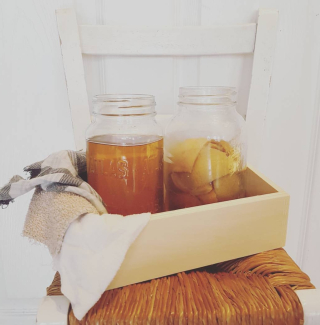
Simple, Thrifty and Eco-Friendly Home Cleaning
Store bought cleaners typically have several toxic ingredients and can be costly. Learn environmentally-friendly cleaning solutions. Registration required as this program fills up fast.
- Palmerston - Monday, April 15, 1 to 2 pm.
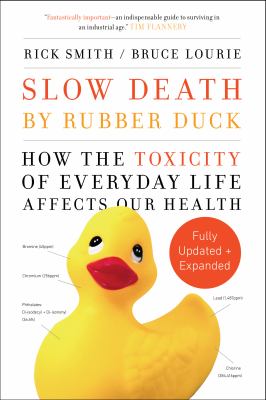
Slow Death By Rubber Duck: How the Toxicity of Everyday Life Affects Our Health
Ten years ago, environmentalists Rick Smith and Bruce Lourie transformed the way we see our frying pans, thermometers and tuna sandwiches when they wrote Slow Death by Rubber Duck. Catch up with the authors for the recently updated and re-issue of their book with new information released in celebration of the book's 10th anniversary.
- North York Central Library - Thursday, April 18, 6:30 to 7:30 pm.
Environmental Awareness

Climate Action: Let's #TransformTO Together
Taking action on climate change will require transformational changes in how we live, work, commute, and build in our city. Learn how climate change is impacting Toronto, the City's climate strategy, TransformTO, and how you can be involved.
- Malvern Branch – Monday, April 8, 6:30 to 7:30 pm.
- Lillian H. Smith Branch – Wednesday, May 15, 6:30 to 7:30 pm. *CHANGED LOCATION to Fort York Branch.
- Riverdale Branch – Tuesday, June 11 – 6:30 to 7:30 pm.
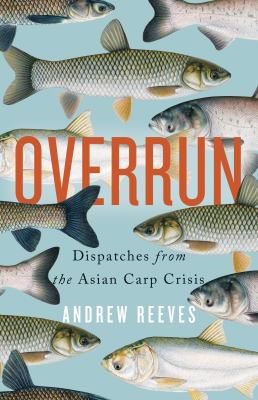
Overrun: Dispatches from the Asian Carp Crisis
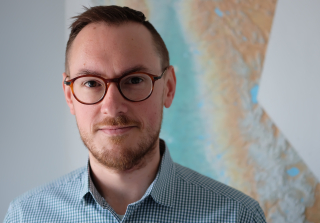
Award-winning environmental journalist, Andrew Reeves' new book Overrun: Dispatches from the Asian Carp Crisis examines one of North America's most voraciously invasive species and how saving the Great Lakes is only half the challenge – a scientific and political shift to rethink how we can bring back our degraded and ignored rivers and waterways.
- Beaches Branch – Wednesday, May 1, 7:00 to 8:00 pm.
Indigenous Environmental Justice Project (IEJ)
The Indigenous Environmental Justice Project (IEJ Project) aims to develop a distinctive environmental justice framework that is informed by Indigenous knowledge systems, laws, concepts of justice and the lived experiences of Indigenous peoples. Presented by Max Klein and Jayce Chiblow, members of the IEJ Project, this talk will focus on the intersection of IEJ's work with food, health, medicine and art. Jayce's talk explores the health impacts of climate change on the Anishinaabek, specifically changes in medicines and foods, by utilizing community-based research methods. Max's talk will explore his research into animal relationships, food sovereignty & climate change through the production of podcast series.
- High Park Branch - Wednesday, May 1 - 7:00 to 8:00 pm.
- Lillian H. Smith Branch - Wednesday, June 12 - 6:30 to 7:30 pm.
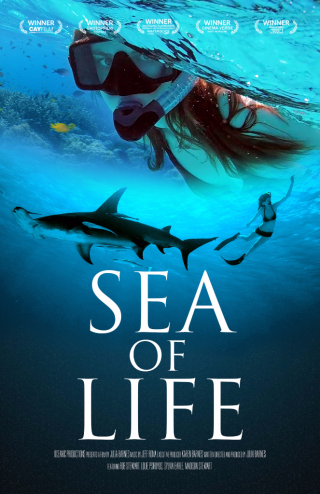
Sea of Life Documentary with Filmmaker Julia Barnes
With breathtaking underwater cinematography, Sea of Life takes you on a journey through stunning and threatened ecosystems on the planet, and the rallying movement underway to save them. Meet Julia Barnes, the award-winning Canadian filmmaker for a Q&A session after the film. Film duration: 1 hour 28 minutes. The film will be shown with captions.
- Toronto Reference Library - Friday, May 31, 6:00 to 8:00 pm.
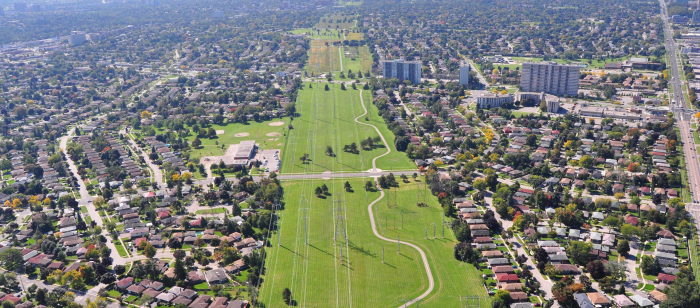
The Meadoway: Toronto's Biggest New Park and How You Can Help Create It
Learn all about Toronto's biggest new park and what you can do to help create it. The Toronto and Region Conservation Authority (TRCA) and partners are working to convert an underused hydro corridor into a flourishing natural meadow. When it is completed, a 16 km stretch of naturalized park will connect downtown Toronto to Rouge National Urban Park.
- McGregor Park Branch - Thursday, June 6, 6:30 to 7:30 pm.
Other TRCA programs at TPL include sustainable balcony gardening, creating rain gardens and gardening for pollinators.
Learn to Camp and Experience the Great Outdoors with Parks Canada
Studies have shown that spending time in nature improves physical, mental and social well-being, as well as increases environmental awareness. The Parks Canada team will show you how to get started with camping right here in the GTA while respecting wildlife and the natural environment and leave no trace principles. Children of all ages are welcome to attend with a paren't/guardian.
- Steeles Branch - Monday, June 10, 4:00 to 5:30 pm.
- Agincourt Branch – Thursday, June 27, 6:30 to 8:00 pm.
Got some experience camping? Check out Backcountry Camping Basics with Parks Canada
- North York Central Library - Thursday June 27, 6:30 pm.
We didn't forget about Earth Day (April 22) – we'll have some exciting news about our 2019 Environmentalist in Residence program. Stay tuned!
Further Reading
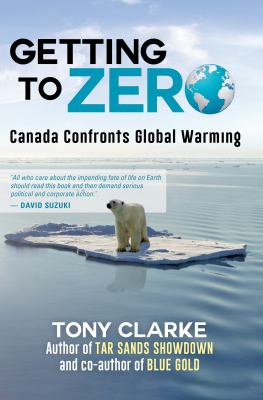
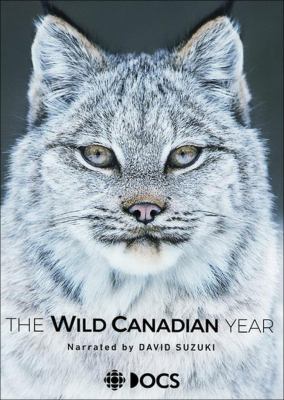
In the meantime, check out the Our Fragile Planet Reading (and watching) List with environmental books for adults, teens and children.


Visit the Toronto Public Library website for a list of all programs under the Our Fragile Planet program series.
Updated April 11, 2019. Updated select Spring 2019 program dates due to changes and cancellations.
Comments