Louisbourg 300–Settlement, Fortress, Time Machine
August 15, 2013 | Claire B. | Comments (0)

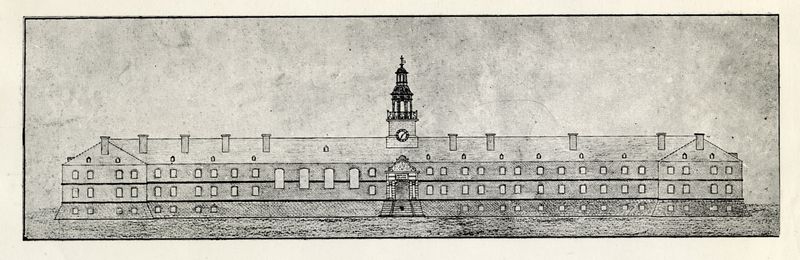
The Citadel Louisbourg, 1731Citadel Louisbourg, Toronto Reference Library

 

Louisbourg-from its foundation to its fall

In 1713 the Treaty of Utrecht stripped France of most of the coastal lands it had claimed in North America.  To help secure what remained, the French built the fortified settlement of Louisbourg on Île Royale (now Cape Breton Island).  It became a thriving fortified settlement and centre for trade and fishing. 


In 1748, as new wars began, it was besieged, taken by the New England British, and held for four years.  A truce in 1748 returned Louisbourg to France, and it prospered again, until a second British seige in 1758.  By 1760, the inhabitants were exiled, the fortifications destroyed, and the settlement disappeared.


 

Louisbourg-past present future
Louisbourg-an 18th century town
Yankees at Louisbourgjpg
Endgame 1758


In 1928 the Canadian Government declared the area of the settlement a National Historic Site of Canada.  In the early sixties, the government began a project to restore a quarter of the town and its fortifications.  Today, through the work of archaeologists, historians, builders, cooks, artisans and re-enactors, it has become a physical recreation of French colonial life in the 18th century, and the largest reconstruction project in North America–a living time machine.

                          
Plan of Louisbourg
                           Plan of Louisbourg, Toronto Reference Library

 Visit if you can, for the ongoing 300th anniversary celebrations of this year, or learn about it in the many histories available. Download Louisbourg, Atlantic fortress and seaport from Library and Archives Canada. Or,try living some history with the re-enactors of the Louisbourg Militia and the Fife and Drum Corp.

                                            
Louisbourg 300

Comments

Leave a Comment

Your email address will not be published. Required fields are marked *

Louisbourg 300–Settlement, Fortress, Time Machine

August 15, 2013 | Myrna | Comments (0)

The Citadel Louisbourg, 1731Citadel Louisbourg, Toronto Reference Library


Louisbourg-from its foundation to its fall

In 1713 the Treaty of Utrecht stripped France of most of the coastal lands it had claimed in North America.  To help secure what remained, the French built the fortified settlement of Louisbourg on Île Royale (now Cape Breton Island).  It became a thriving fortified settlement and centre for trade and fishing. 


In 1748, as new wars began, it was besieged, taken by the New England British, and held for four years.  A truce in 1748 returned Louisbourg to France, and it prospered again, until a second British seige in 1758.  By 1760, the inhabitants were exiled, the fortifications destroyed, and the settlement disappeared.

 

Louisbourg-past present future
Louisbourg-an 18th century town
Yankees at Louisbourgjpg
Endgame 1758


In 1928 the Canadian Government declared the area of the settlement a National Historic Site of Canada.  In the early sixties, the government began a project to restore a quarter of the town and its fortifications.  Today, through the work of archaeologists, historians, builders, cooks, artisans and re-enactors, it has become a physical recreation of French colonial life in the 18th century, and the largest reconstruction project in North America–a living time machine.
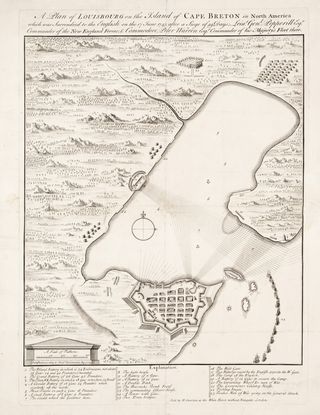
                          
Plan of Louisbourg
                           Plan of Louisbourg, Toronto Reference Library

 Visit if you can, for the ongoing 300th anniversary celebrations of this year, or learn about it in the many histories available. Download Louisbourg, Atlantic fortress and seaport from Library and Archives Canada. Or,try living some history with the re-enactors of the Louisbourg Militia and the Fife and Drum Corp.

                                            
Louisbourg 300

Comments

Leave a Comment

Your email address will not be published. Required fields are marked *