PREVIEW: May 2021 is Vision Health Month
May is Vision Health Month. This is chance to think about your vision health and learn how to reduce the risk of developing series eye conditions. It is also a great time to find out about resources and supports for people living with vision loss.
Common Serious Eye Conditions
Did you know more than 2 billion people worldwide experience some kind of vision loss? Here are some common eye health concerns and how they can affect your vision, according to the Canadian Ophthalmological Society:
- Age-related macular degeneration (AMD) is common in people as we age and it affects your central vision.
- Cataracts are also common as we age and can cause cloudy vision.
- Diabetic retinopathy happens when the blood vessels in the retina become damaged due to diabetes and it can cause things like blurry vision or, in extreme cases, detached retina.
- Glaucoma is a disease of the optic nerve and is related to the pressure inside the eye. It can damage nerve fibres and lead to blind spots and vision loss.
- Eye injury can occur at home, work, school, while playing, or while on the road.
Tips for Good Vision Health
Follow these tips for good vision health, adapted from CNIB and the Canadian Association of Optometrists.
-
Get your eyes checked
It’s important to get your eyes checked regularly. Not all eye-related health conditions have symptoms. But most cases of vision loss can be treated or prevented if caught early. The Canadian Association of Optometrists recommends adults have an eye exam every 2 years. Children, teenagers, and seniors should one every year. You can make an appointment with an optometrist near you. Ontario’s health care plan, OHIP, covers costs for annual eye exams for children and seniors, and for some adults. If you are on the Ontario Disability Support Program (ODSP) or Ontario Works you may be able to get help with other vision care costs.
-
Wear sunglasses
Exposure to ultraviolet (UV) rays can harm your eyes and is linked to cataracts and macular degeneration. Wearing sunglasses can help protect your eyes. Plus, sunglasses make everyone look cool. Choose sunglasses with 100%, or UV 400, coverage.
-
Eat your veggies!
Eating well is good for your overall health, including your eye health. Foods that are high in vitamin C (such as citrus fruit, peppers, broccoli), antioxidants like lutein and beta carotene (such as in dark leafy greens), and omega-3 fatty acids (such as in walnuts, flax seeds, and oily fish) can help reduce your risk of developing common eye diseases. Need some inspiration? Check out this list of recommendations for books on healthy eating from Toronto Public Health: Your Health Matters: Books on Food and Nutrition.
-
Quit smoking
You’ve probably heard that smoking is bad for your health. But did you realize this includes vision health? If you smoke, you are at greater risk of developing eye conditions like cataracts or macular degeneration, which are two of the leading causes of blindness. The library has many books and audiobooks to help you quit smoking.
- Safety first
To reduce your risk of eye injury when playing sports or using power tools, wear eye or face protectors approved by the Canadian Standards Association.
-
Give your eyes a break
Many of us spend a lot of time looking at digital devices, like computer screens, smartphones, gaming systems, and televisions. This can cause eye strain and fatigue. It’s important to give your eyes a rest. Try the 20-20-20 rule. Every 20 minutes, focus your eyes on something that is 20 feet away, for 20 seconds.
Reading and Vision Comfort
If you, like me, like to read A LOT, another way to give your eyes a break is to read an audiobook. The library has audiobooks on CD and digital audiobooks for all ages. We also have Playaways, which are audiobooks preloaded onto portable players. Learn more about audiobooks at the library.
If you prefer to read books in print but the words are just too small, try large print. Browse what's new in Large Print.
E-books give you the option to change font size and other settings like contrast. Learn more in this blog post about accessible reading options.
People with print disabilities can also use the library’s Talking Books collection and the Centre for Equitable Library Access (CELA). A print disability is any visual, physical, or learning disability that makes it difficult or impossible to read or hold a regular book. Visual print disabilities include blindness or low vision and eye conditions like glaucoma, including temporary conditions. Learn more about Talking Books, CELA, and other accessible collections at the library.
The library also has assistive equipment and technology to use in branches (pending Provincial regulations on access to branches). These include assistive reading devices such as hand held magnifiers, natural spectrum lamps, and computers with magnification and speech-to-text software.
Books on Vision Health
Check out these books to learn more about vision health:
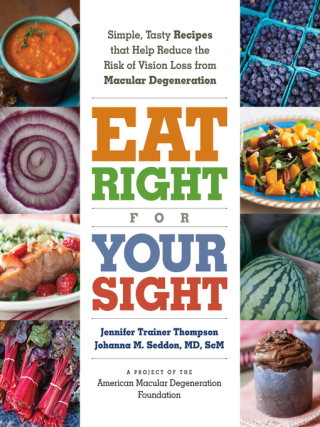
Eat Right for Your Sight by Jennifer Trainer Thompson and Johanna M. Seddon
The Eye Book: A Complete Guide to Eye Disorders and Health by Gary H. Cassel
The Eye Care Sourcebook by Jay B. Lavine
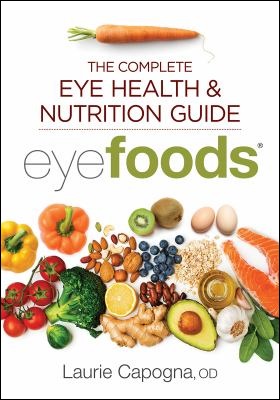
Eyefoods: The Complete Health & Nutrition Guide by Laurie Capogna

Eyefoods for Kids: A Tasty Guide to Nutrition and Eye Health by Laurie Capogna and Barbara Pelletier
Community Resources
If you are living with vision loss, there are many great organizations for more resources, support, and connection with others. Here are a few in the Toronto are:
Comments