Room 237

We all interpret movies in
different ways. But at what point does our interpretation become a projection of our own bizarre personal
obsessions?
This
is the question behind Room 237, a new documentary about Stanley Kubrik’s film version of Stephen King’s novel The Shining.
Filmmaker Rodney Ascher collected audio recordings of various
people’s wacky interpretations of the movie and meticulously illustrates them
with clips from the classic horror film. An example: Is “The Shining” really Stanley Kubrick’s apology for
faking the Apollo moon landing?
For
those unfamiliar with the story, Jack and Wendy Torrance, along with their son
Danny, agree to look after the remote Overlook Hotel which will be snowbound
over the winter. But the hotel has ominous secrets: a previous caretaker
murdered his wife and two children with an axe. Is some force in the house
taking over Jack’s personality?
I
haven’t seen the film yet, but in theory it sounds like the movie doubles back
on itself: the bizarre obsessive interpretations of the critics, scholars and
fans start to mirror the obsessions of Jack Torrence. Critics including author Chuck Closterman are
highly enthusiastic.
But
to give away my *own* obsessions, is the story *really* about semiotic play?
About the difference between what something says and how we read it?
_________________________________________________________________________________
Whether you are a King or a Kubrick fan the library has lots of material to keep you occupied:
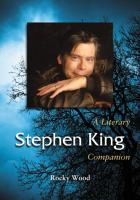
Stephen King: a literary companion by Rocky Wood
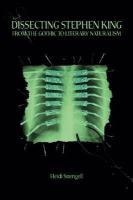
Dissecting Stephen King: from the Gothic to literary naturalism by Heidi Stregell
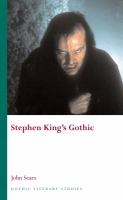
Stephen King's Gothic by John Sears
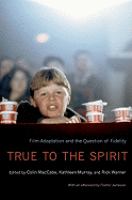
True to the spirit: film adaptation and the question of fidelity by Colin MacCabe, Kathleen Murray and Rick Warner

Stanley Kubrick: seven films analyzed by Randy Loren Rasmussen
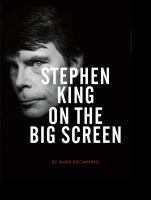
Stephen King on the big screen by Mark Browning

Stanley Kubrick and the art of adaption: three novels, three films by Greg Jenkins
Comments