The Gales of November–Canadian Shipwreck Sagas
November 10, 2015 | Claire B. | Comments (0)

Pacific schooner rescue

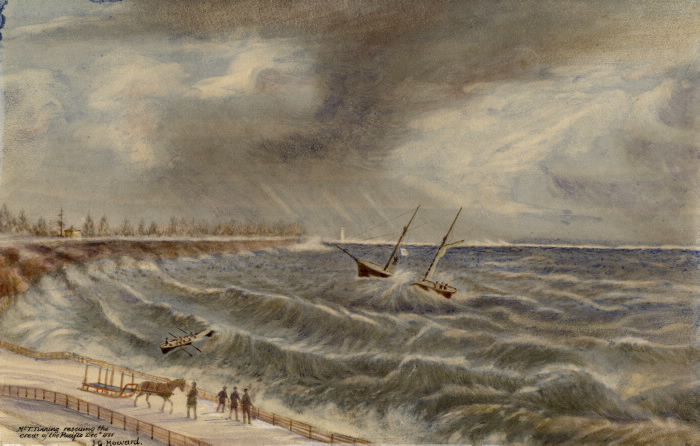
Pacific, schooner; rescue of crew by Thomas Tinning; looking s.e. from shore near High Park. Toronto Reference Library

There are many famous shipwreck names in Canadian history. Titanic is probably the biggest, lost in the Atlantic off of Newfoundland in 1912—there are hundreds of books and more than one movie about her. Another is the Edmund Fitzgerald, lost 40 years ago this month on Lake Superior. The phrase “gales of November” comes from Gordon Lightfoot’s celebrated song the Wreck of the Edmund FitzgeraldThat tragic loss is also remembered in book and film.
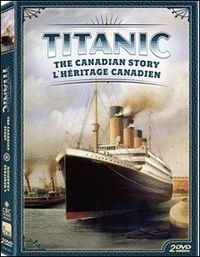
Titanic-the Canadian Story Mighty Fitz Mystery of the Edmund Fitzgerald


But there are myriad names, less known. The earliest shipwreck account we have in the Toronto Reference Library comes from 1711— The sailors danger and hardship at sea: Giving a full and true description of the late expedition to Quebeck, under Rear Admiral Walker. Read it online through our Digital Archive. The deadly month of November claimed the Rebecca (1816, off the coast of Labrador), the Premier (1843, near the mouth of the St. Lawrence) and the Algoma (1885, off of Isle Royale).

Author Andrea Curtis explores the long term effects of shipwreck in her own family. Into the Blue: family secrets and the search for a Great Lakes shipwreck chronicles the loss of the J. H. Jones in a November storm in Georgian Bay in 1906. It took the life of her great grandfather Captain Jim Crawford, and left his family bereft and impoverished. A common thread through many a shipwreck story.

Into the blue Summer of the Marco Polo      


The clipper ship Marco Polo was wrecked in 1883, off of Cavendish, Prince Edward Island. Future novelist L. M. Montgomery was nine years old, and the event inspired one of her first published stories. More than a century later, the tale was re-imagined by writer Lynn Manuel and illustrator Kasia Charko as The Summer of the Marco Polo

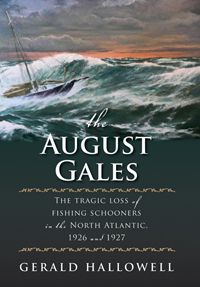
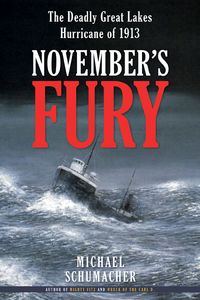
The August Gales Novembers Fury Many a Midnight Ship


The thousands of wrecks in the Great Lakes include many from the War of 1812, and underwater archaeology of those vessels now contributes to a deeper understanding of how that war was waged. One of the most intriguing is the Nancy, sunk in 1814 in the Nottawasaga River. Not technically a shipwreck, she was set afire and scuttled by her own crew when they faced overwhelming odds during a battle. Sunk in shallow water, she was easily visible for many years, but gradually forgotten by local people. The wreck was rediscovered in 1911 by journalist and sailing history buff C. H. J. Snider, and eventually commemorated in Nancy Island, the land formed by silt deposits around the wreck. The Nancy also has a book and a song from another great Canadian song writer, Stan Rogers.

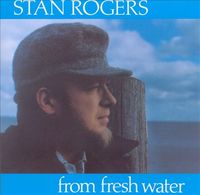
Coffins of the Brave Through water ice and fire From Fresh Water Stan Rogers


In the late twentieth and early twenty-first centuries, the decline of shipping and improvements in safety and navigation resulted in fewer wrecks. But the waves and the water do not lose their power. Last month the whale watching boat Leviathan II capsized with the loss of five souls off the coast of Tofino, British Columbia. To those in peril on the sea.

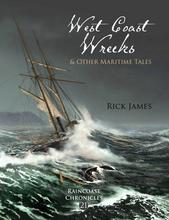
Peril at sea Graveyard of the Pacific West Coast Wrecks


Comments

Leave a Comment

Your email address will not be published. Required fields are marked *

The Gales of November–Canadian Shipwreck Sagas

November 10, 2015 | Myrna | Comments (0)

Pacific schooner rescue

Pacific, schooner; rescue of crew by Thomas Tinning; looking s.e. from shore near High Park. Toronto Reference Library

There are many famous shipwreck names in Canadian history. Titanic is probably the biggest, lost in the Atlantic off of Newfoundland in 1912—there are hundreds of books and more than one movie about her. Another is the Edmund Fitzgerald, lost 40 years ago this month on Lake Superior. The phrase “gales of November” comes from Gordon Lightfoot’s celebrated song the Wreck of the Edmund FitzgeraldThat tragic loss is also remembered in book and film.
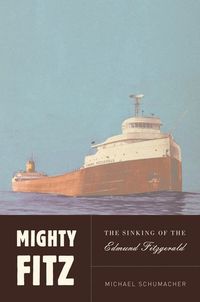
Titanic-the Canadian Story Mighty Fitz Mystery of the Edmund Fitzgerald


But there are myriad names, less known. The earliest shipwreck account we have in the Toronto Reference Library comes from 1711— The sailors danger and hardship at sea: Giving a full and true description of the late expedition to Quebeck, under Rear Admiral Walker. Read it online through our Digital Archive. The deadly month of November claimed the Rebecca (1816, off the coast of Labrador), the Premier (1843, near the mouth of the St. Lawrence) and the Algoma (1885, off of Isle Royale).

Author Andrea Curtis explores the long term effects of shipwreck in her own family. Into the Blue: family secrets and the search for a Great Lakes shipwreck chronicles the loss of the J. H. Jones in a November storm in Georgian Bay in 1906. It took the life of her great grandfather Captain Jim Crawford, and left his family bereft and impoverished. A common thread through many a shipwreck story.

Into the blue Summer of the Marco Polo      


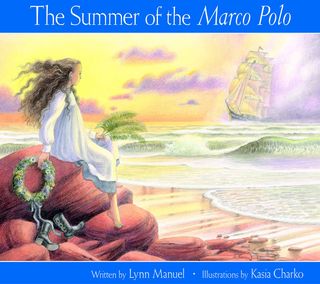
The clipper ship Marco Polo was wrecked in 1883, off of Cavendish, Prince Edward Island. Future novelist L. M. Montgomery was nine years old, and the event inspired one of her first published stories. More than a century later, the tale was re-imagined by writer Lynn Manuel and illustrator Kasia Charko as The Summer of the Marco Polo

The August Gales Novembers Fury Many a Midnight Ship


The thousands of wrecks in the Great Lakes include many from the War of 1812, and underwater archaeology of those vessels now contributes to a deeper understanding of how that war was waged. One of the most intriguing is the Nancy, sunk in 1814 in the Nottawasaga River. Not technically a shipwreck, she was set afire and scuttled by her own crew when they faced overwhelming odds during a battle. Sunk in shallow water, she was easily visible for many years, but gradually forgotten by local people. The wreck was rediscovered in 1911 by journalist and sailing history buff C. H. J. Snider, and eventually commemorated in Nancy Island, the land formed by silt deposits around the wreck. The Nancy also has a book and a song from another great Canadian song writer, Stan Rogers.
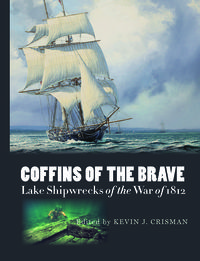
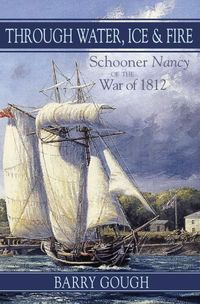
Coffins of the Brave Through water ice and fire From Fresh Water Stan Rogers


In the late twentieth and early twenty-first centuries, the decline of shipping and improvements in safety and navigation resulted in fewer wrecks. But the waves and the water do not lose their power. Last month the whale watching boat Leviathan II capsized with the loss of five souls off the coast of Tofino, British Columbia. To those in peril on the sea.
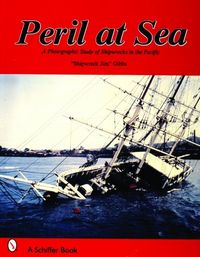
Peril at sea Graveyard of the Pacific West Coast Wrecks


Comments

Leave a Comment

Your email address will not be published. Required fields are marked *