This Month in Science Fiction: Frankenstein Turns 200
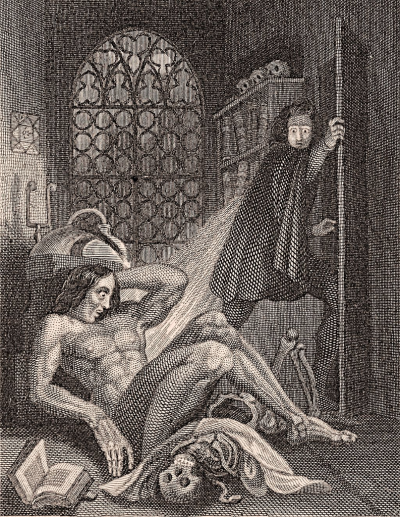
Shelley was only 18 years old when she started writing "Frankenstein". On Jan 1, 1818, at the age of 20, she published her first and most famous book. Two hundred years later, "Frankenstein" is still beloved, both as a novel and as a source of inspiration.

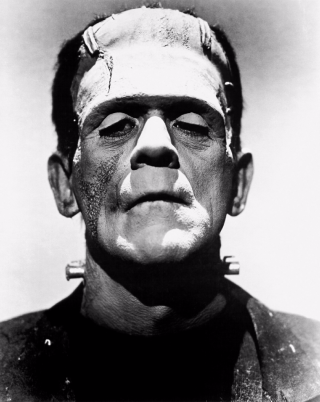

I have to admit, "Frankenstein" surprised me the first time I read it. I thought I knew what to expect, but I didn't. "Frankenstein" was much more than the story of a raging monster. It was the story of an intelligent creature, struggling to belong in a world it wasn't made for.

Mary Shelley’s life was anything but ordinary. She grew up in a politically radical household. Her mother, Mary Wollstonecraft, was a prominent feminist and pioneer of women’s liberation. Her father, William Godwin, was a philosopher and novelist. In 1814, she eloped with Percy Bysshe Shelley while he was still married to his first wife. Her family and friends, and most of society, ostracized her for this scandal. On December 30, 1816, she married Shelley after his first wife committed suicide. She had given birth to and lost her first child the previous year. By the time she was writing "Frankenstein", she had already lived through her share of tragedy.


After her husband died in 1822, Shelley supported herself and her sole surviving child with her writing. She published several more novels and short stories, though none were as admired as her first.




The Last Man by Mary Shelly
The Mortal Immortal: The Complete Supernatural Short Fiction by Mary Shelly; narrative introduction by Michael Bishop
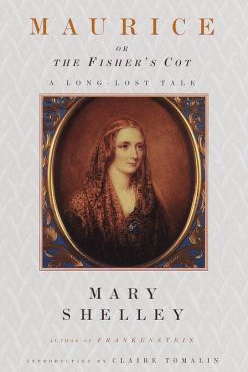
Maurice, or the Fisher's Cot by Mary Shelly
Transformation by Mary Shelly
Mathilda by Mary Shelly
Mary Shelley: Collected Tales and Stories
"Frankenstein" is still relevant today. It is an exploration of science and technology, of responsibility and fate. The novel makes us ask important questions: What is the price of playing God? What are our responsibilities to our creations? These themes are crucial now in our age of artificial intelligence and gene-editing. It's no surprise that people still have "Frankenstein" on the brain.
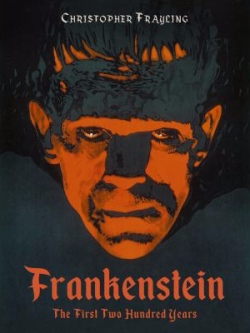


Frankenstein: The First Two Hundred Years by Christopher Frayling
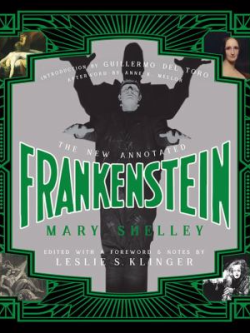
The New Annotated Frankenstein by Mary Shelley; edited with a foreword and notes by Leslie S. Klinger; introduction by Guillermo Del Toro
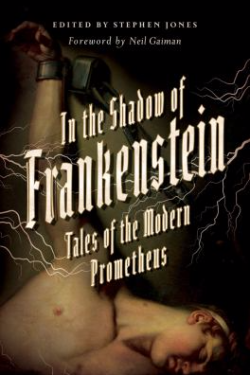
In the Shadow of Frankenstein: Tales of the Modern Prometheus edited by Stephen Jones; foreword by Neil Gaiman
Frankenstein: Annotated for Scientists, Engineers, and Creators of All Kinds by Mary Shelley; edited by David H. Guston, Ed Finn, and Jason Scott Robert
Comments