The Adventures of Red Riding Hood: An Exhibit at the Osborne Collection of Early Children’s Books
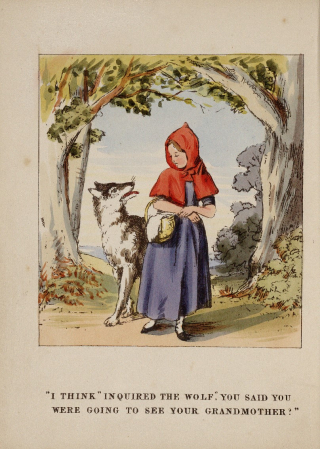
A new exhibit at the Osborne Collection of Early Children’s Books explores the story of this most famous of fairy tale heroines, and her counterpart, The Wolf, in books, advertisements, toys, games and original illustrations, dating from 1721 to 2017.
View pop-ups, miniatures, shaped books, paper dolls, puzzles, household items and more, and don’t forget to take our Little Red Riding Hood quiz!
The exhibit is on through Saturday, June 2.
It's free and all are welcome!
Charles Perrault’s "Little Red Riding Hood"
The earliest-known literary version of Little Red Riding Hood was published as “Le Petit Chaperon Rouge” in Charles Perrault’s 1697 Histoires ou Contes du temps passé (Stories, or, Tales of Past Times). In Perrault’s tale, the girl is simply eaten — there is no happy ending. In a moral attached to the story, Perrault warns children to beware of “wolves” who may act in a pleasing fashion, yet hide their true designs.
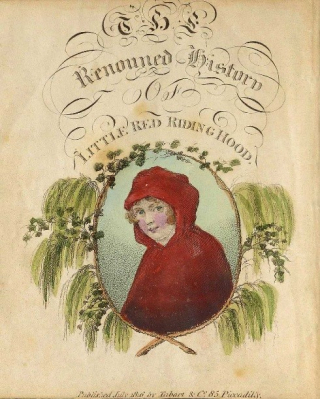
This rhyming translation of Perrault’s tale was published in 1816.
The Brothers Grimm’s “Little Red Cap”
Jacob and Wilhelm Grimm’s “Rotkãppchen” (“Little Red Cap”) appeared in 1812 in the first volume of their Kinder- und Hausmãrchen (Children’s and Household Tales). In their story, the girl and her grandmother are rescued by a huntsman. The Grimms emphasize the consequences of disobedience — at story’s end Little Red Riding Hood promises never to stray from the path again when her mother has forbidden it.
Later versions of the tale blend storylines from Perrault and Grimm.
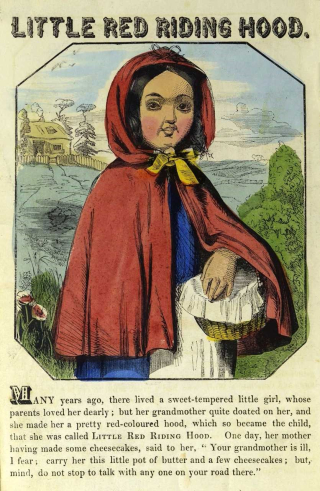
In this 1856 publication, the wolf devours Little Red Riding Hood, falls asleep and is discovered by her father. The father kills the wolf with the assistance of several woodcutters, but the girl is not saved.
Red Riding Hood-Themed Advertising and Ephemera
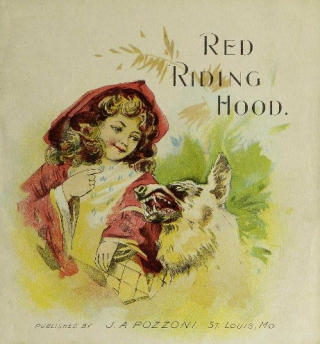
This eight-page booklet, published ca. 1895 by J.A. Pozzoni Pharmacal Co., contains advertisements for Allen’s Hygienic Fluid and Pozzoni’s Complexion Powder.
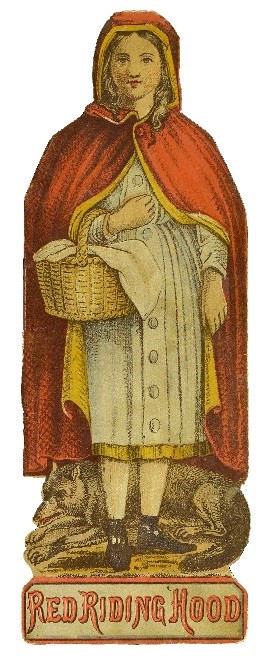
American printer Louis Prang issued this die-cut shaped book in 1863.
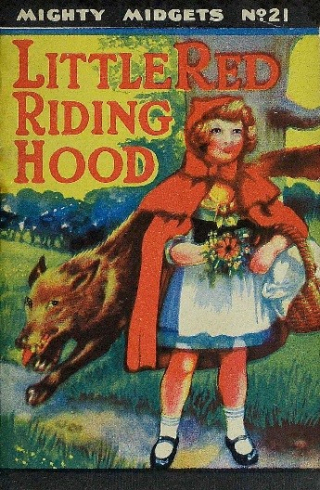
The Mighty Midget books were designed to be read by children in air raid shelters during World War II.
“Fractured” Fairy Tales
Modern adaptations of “Little Red Riding Hood” are known for their inventiveness and humour.
The following books, on display at the Osborne Collection, are also available for loan through Toronto Public Library branches:
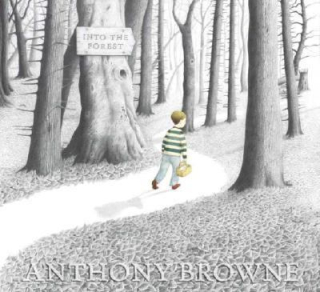
A little boy takes a walk in the forest to visit his grandmother. He finds a red coat and puts it on. Who, or what, waits at his destination?
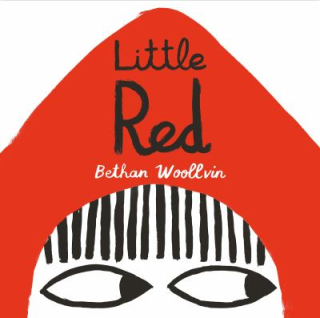
Little Red sees through the wolf’s disguise and comes up with a plan to save herself.
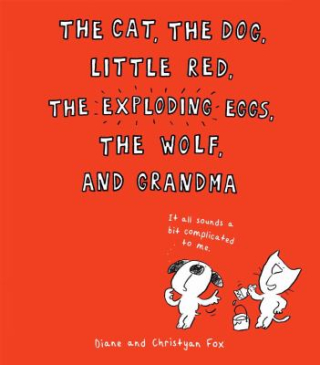
Cat tries to read dog the story of Little Red Riding Hood, but dog keeps interrupting.
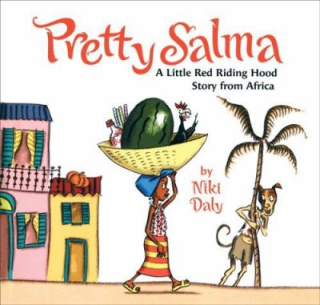
In a village in Ghana, Mr. Dog tricks Salma and attempts to eat her grandmother, until Salma outwits him.
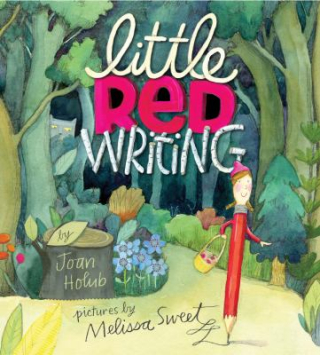
Little Red is a student pencil who makes her way to Principal Granny’s office where she encounters a fearsome pencil sharpener known as the “Wolf 3000.”
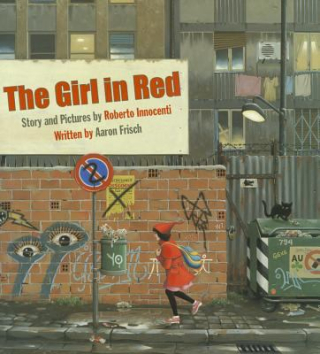
This retelling for older readers has two endings — in the first, the leather-clad predator makes a successful getaway on his motorcycle. In the second, the SWAT team snares the villain, leaving the girl and grandmother unharmed.
Lon Po Po or “Grandmother Wolf”
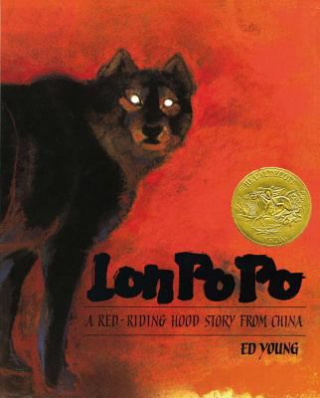
Ed Young retells a Chinese folktale in which three little girls rescue themselves from a ravenous wolf.
The “Big Bad Wolf”
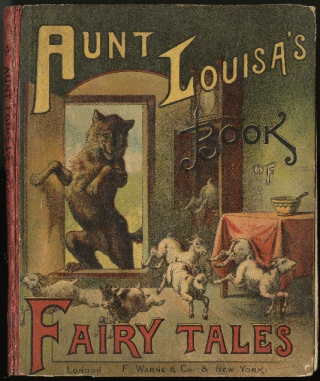
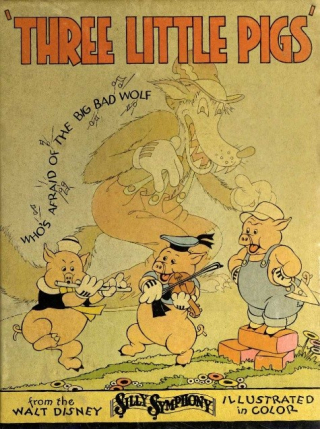
The “Big Bad Wolf” is a stereotyped villain that appears in many traditional children’s tales (The Three Little Pigs, The Wolf and the Seven Little Kids and The Boy Who Cried Wolf to name a few), yet in real life, wolves are extinct or endangered in many places due to overhunting and habitat loss.
Positive Portrayals of Wolves
Modern non-fiction books emphasize the important role of wolves in nature and in maintaining healthy ecosystems.
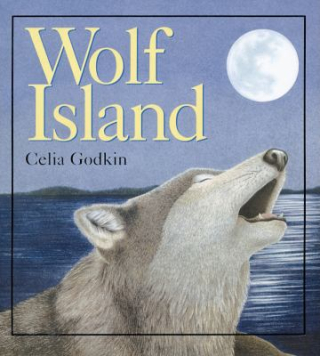
The introduction of a family of wolves restores the balance of nature on a northern island. View original art from this book in the Osborne Collection exhibit.
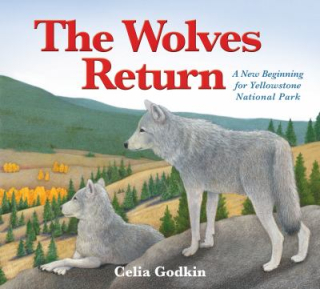
Godkin’s picture book tells of the successful reintroduction of 25 Canadian wolves into Yellowstone Park in 1995-1996.
Many indigenous tales and legends present the wolf as noble, brave and a friend to humankind.
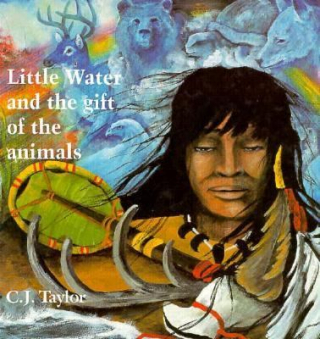
In this Seneca legend by C.J. Taylor, Wolf helps Little Water learn the secrets of the animals to heal his people.
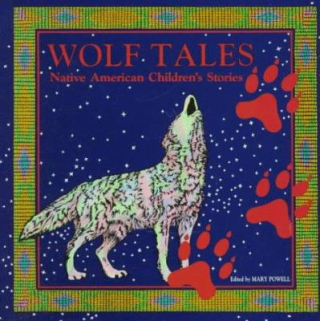
This collection features legends from the Dakota Sioux, Cherokee and other indigenous tribes.
With thanks to Martha Scott
3 thoughts on “The Adventures of Red Riding Hood: An Exhibit at the Osborne Collection of Early Children’s Books”
Wow!Someone really knows their wolves, and pencil sharpeners, & SWAT teams, etc.
Wow!Someone really knows their wolves, and pencil sharpeners, & SWAT teams, etc.
Wow!Someone really knows their wolves, and pencil sharpeners, & SWAT teams, etc.