Science Literacy Week 2019: Genetic Engineering and Designer Babies
Genetic engineering, a phrase charged with images of health hazards and designer babies, entered a new and accelerated chapter with the development of CRISPR Cas9 in 2015, a targeted gene-editing technique that is much more precise than anything before it. What is CRSPR Cas9, how does it work, and what does it mean for the potential of gene manipulation? Find out at Genome Editing: Harnessing the Power of CRISPR, an upcoming talk at Toronto Reference Library on September 5, 6:30 – 8 pm. This thought-provoking talk exploring all of these questions and more is a primer to our Science Literacy Week programs, which takes place from September 16 to 22.
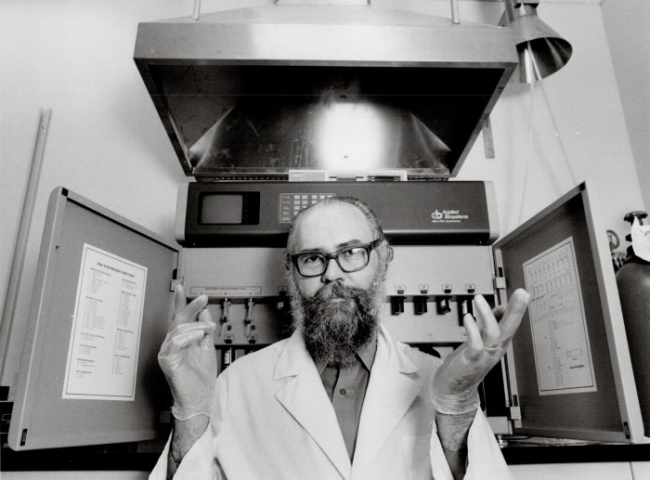
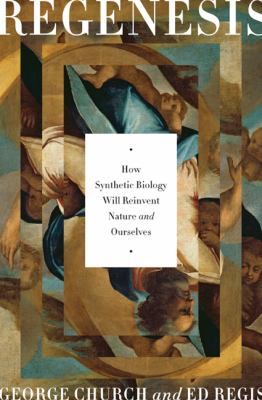
After the discovery of the structure of DNA in the 1950s, the possibility of altering our genome and those of other organisms for human benefit has loomed large. Since then, a plethora of genetic manipulation methods on pre-existing lifeforms as well as methods of generating wholly synthetic genes have emerged. Genetic manipulation involves the insertion and knocking-out of genes in random or targeted ways in order to control the expression of traits. The creation of artificial DNA sequences in the laboratory from more basic components of nucleic acids to direct gene expression and the production of proteins within a cell, on the other hand, is known as synthetic biology. In principle, synthetic biology presents the possibility of generating wholly new lifeforms either from the ground up from organic components or by synthesizing minimally-functional genomes and proteins into new, but viable, organisms. Renowned geneticist George Church explored these ideas in his book Regenesis: How Synthetic Biology Will Reinvent Nature and Ourselves.
Thus far, applications of these methods have been modest, with gene synthesis consigned to the laboratory. Genetic manipulation has a broader impact on food production and medicine. Things like gene therapy to cure genetic diseases by replacing or disrupting defective genes and commercial genetically modified foods have been tried to varying degrees of success. Public perception of genetically modified organisms (GMOs) has been fraught with misconceptions, such as the idea that GMOs carry health risks even though in practice they are no different than the artificial selection that results from the selective breeding of crops that has been practiced for millennia.
CRISPR-Cas9 refers to modified bacterial antiviral DNA sequences and the enzyme Cas9 that form the basis for a highly precise and efficient targeted gene-editing technique. Before CRISPR, targeted genetic mutations were expensive and time-consuming. Because CRISPR is both efficient and cost-effective, it creates prospects for wide medical applications such as cancer treatment and high cholesterol. However, concerns have been raised about the use of CRISPR for germline-editing (the germline refers to sex cells that transmit genetic information through sexual reproduction), which raises issues about “designer babies”. Commercialization of CRISPR could lead to genetically altered embryos, which on the one hand could stem the spread of genetic disease and, on the other, allow for preferential modification of traits like intelligence and appearance.

The task of weighing the risks and rewards of biotech is the province of bioethicists as well as legislators. Their mandate is to usher in these technologies in a guided manner for the health and agricultural sectors, where they stand to exert the most immediate influence, in a way that the public good is not compromised for corporate interests. But it is also important to carve a role for the public at large to weigh in on these debates in an informed and effective manner. For example, while germline editing is illegal in many countries, the birth of the first allegedly successful germline edited babies via CRISPR, Lulu and Nana, in China last year caused controversy about clinical conduct and the babies’ long-term health.
It is thus paramount to understand the mechanics of these technologies in order to channel their concerns and advocacy in relevant and effective ways. This is why we invite you to Genome Editing: Harnessing the power of CRISPR, presented by the University of Toronto department of immunology, to both gain an understanding of the technology and explore challenging questions about its application.
Related Reading
If you'd like to expand your knowledge of these topics, we've compiled an eclectic list of up-to-date resources below.
Synthetic Biology: A Very Short Introduction provides an accessible and comprehensive overview of synthetic biology, what it entails, and the areas it stands to affect.

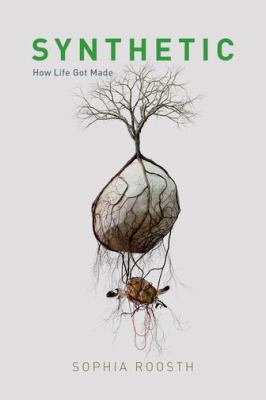
For something more in-depth, Synthetic: How Life Got Made offers an ethnographic approach to the discipline of synthetic biology and the cultural and economic transformations biology has undergone in the post-genomic age.
For an overview of genetically modified organisms in the food industry, check out GMOs Decoded: A Skeptic's View of Genetically Modified Foods.

For a take on the ethics of genetic engineering, Genetic Ethics: An Introduction frames the discussion around the ethical dilemmas that will mount as biotech becomes more pervasive.

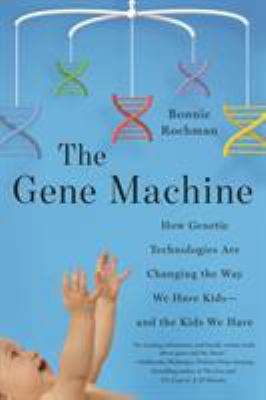
The Gene Machine: How Genetic Technologies are Changing the Way We Have Kids takes on the dilemma surrounding genetic tests and interventions in babies, and the difficult choices paren'ts are faced with.
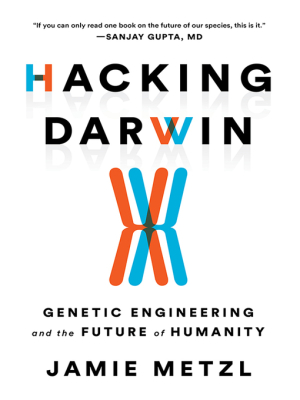
Available on Overdrive as ebook and eaudiobook, Hacking Darwin: Genetic Engineering and the Future of Humanity contemplates the big questions surrounding what the impending future could look like and the changing contours of what it means to be human.
DNA is not Destiny: the remarkable completely misunderstood relationship between you and your genes tries to quell public misgivings about DNA testing and what knowledge of your genome sequence could mean for individual destiny. Far from determining your destiny, it seeks to clarify the subtle interactions between genes, experience, and environment in the expression of individual traits.

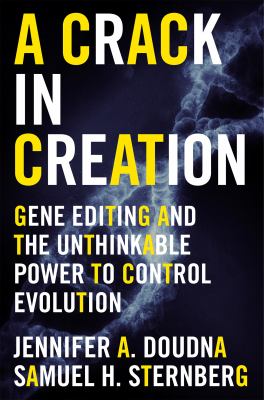
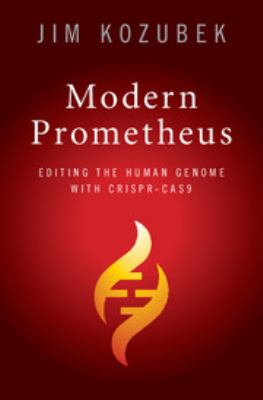
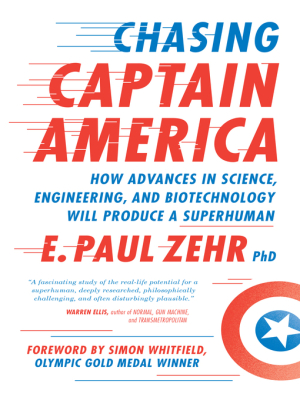
To learn more about CRISPR, and recent takes on its potential impact, you may want to turn to these titles:
Online Resources
For further electronic resources, as well as introductory video tutorials on these topics, HSTalks, Safari Tech, Kanopy and OverDrive provide a wealth of accessible and more in-depth treatments. Some titles therefrom include: Who's Afraid of Designer Babies, Genetic Engineering, Mutation Breeding in Agriculture, and The Dawn of Active Genetics.
We hope to see you on September 5 at Genome Editing: Harnessing the Power of CRISPR, and hear your thoughts at the lecture.
12 thoughts on “Science Literacy Week 2019: Genetic Engineering and Designer Babies”
This is such an important issue for us to understand as this fascinating technology develops. There is certainly more fear than knowledge around genetic manipulation today, which holds back crucial legislature in this country while others move ahead without much concern for human rights. Thank you for this informative overview and set of resources.
This is such an important issue for us to understand as this fascinating technology develops. There is certainly more fear than knowledge around genetic manipulation today, which holds back crucial legislature in this country while others move ahead without much concern for human rights. Thank you for this informative overview and set of resources.
This is such an important issue for us to understand as this fascinating technology develops. There is certainly more fear than knowledge around genetic manipulation today, which holds back crucial legislature in this country while others move ahead without much concern for human rights. Thank you for this informative overview and set of resources.
Hey, Could you please explain how does human genetic engineering work?
Hey, Could you please explain how does human genetic engineering work?
Hey, Could you please explain how does human genetic engineering work?
Hi David, it works the same as any other cells, where they target specific sequences of DNA and either delete or knockout genes. CRISPR/cas is one such method, but more precise. Germline editing is (mostly) illegal. If you’re interested in the subject I’d highly recommend giving a look at one of the books mentioned above.
Hi David, it works the same as any other cells, where they target specific sequences of DNA and either delete or knockout genes. CRISPR/cas is one such method, but more precise. Germline editing is (mostly) illegal. If you’re interested in the subject I’d highly recommend giving a look at one of the books mentioned above.
Hi David, it works the same as any other cells, where they target specific sequences of DNA and either delete or knockout genes. CRISPR/cas is one such method, but more precise. Germline editing is (mostly) illegal. If you’re interested in the subject I’d highly recommend giving a look at one of the books mentioned above.
My apologies, I meant to say either knockout or insert genes. Follow this link for an overview and publications on the subject: https://www.geneticsandsociety.org/internal-content/about-human-germline-gene-editing
My apologies, I meant to say either knockout or insert genes. Follow this link for an overview and publications on the subject: https://www.geneticsandsociety.org/internal-content/about-human-germline-gene-editing
My apologies, I meant to say either knockout or insert genes. Follow this link for an overview and publications on the subject: https://www.geneticsandsociety.org/internal-content/about-human-germline-gene-editing