Never Read Anything the Same Way Twice: Jazz Books at TPL
Did you know April was Jazz Appreciation Month? I didn't, either! Fortunately we've got eleven other months to also listen to jazz, but if you'd like to learn more about the music, you don't have to limit yourself to the acts you see in clubs or the albums you hear. Here are just a few of the best books about jazz that I've read and which are available for checkout at the Toronto Public Library.
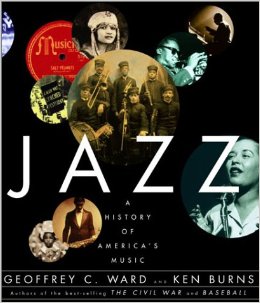
Jazz: a history of America's music, by Geoffrey C. Ward, is a companion piece to the celebrated documentary film series by Ken Burns. Like the films, it's been criticized in some quarters for giving short shrift to the post-World War II (and non-U.S.) history of the music, but it's still an invaluable and gorgeously photographed survey of the personalities, social conditions and politics that shaped this most American of art forms.

Jazz: New York in the roaring twenties, written by Hans-Jürgen Schaal and illustrated by Robert Nippoldt, is a gorgeous blend of text and art, profiling some of jazz's leading lights and evoking a time and place when you could walk down the streets of Harlem and hear the sounds of Duke Ellington's band or Louis Armstrong playing with the Fletcher Henderson Orchestra pouring out of nightclubs and dance halls. It also includes a CD with many of the artists' best songs.
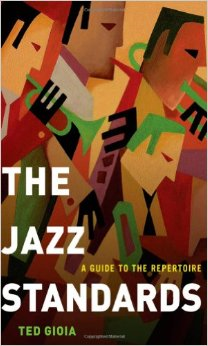
From ragtime's "Sweet Georgia Brown" to the bossa-nova favourite "The Girl From Ipanema," certain songs have become part of jazz's bedrock, revisited and re-interpreted by a wide range of musicians throughout the decades. The Jazz Standards: a guide to the repertoire, by music historian and critic Ted Gioia, is a comprehensive survey of the jazz songbook that both new fans and experts will find useful and enthralling.
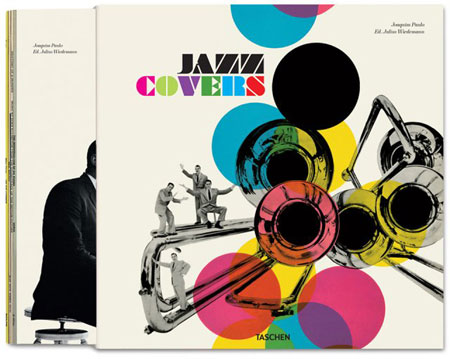
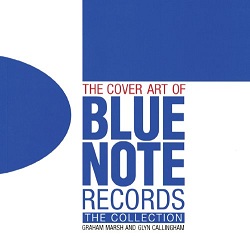
In addition to its musical heritage, jazz also boasts a rich visual legacy. Jazz Covers, by Joaquim Paulo, features album art right through from the invention of the LP record in the 1940s to the 1990s, which saw a decline in vinyl production as the CD gained in popularity. In addition to all the cover art eye candy, each photo is accompanied by a fact sheet listing the performer and album name, art director, photographer, illustrator, year, label, and more. The Cover Art of Blue Note Records, by Graham Marsh, focuses on the artwork of that legendary label, with illustrations of more than 400 of the best covers from the company which did more than any other to visually define jazz.

Jazz has been around for almost a century now (2017 will mark the 100th anniversary of "Livery Stable Blues" by the Original Dixieland Jazz Band, the first jazz single ever released), and it can be intimidating to newcomers. The simply-titled Jazz, by Gary Giddins and Scott DeVeaux, is the best single-volume survey of the music and its history, theory, politics and diversity of musical styles – from ragtime to avant-garde free jazz – I've ever read. In addition to its lively recounting of jazz history, it also includes listening guides for several songs which will help novices identify and understand some of the fundamental concepts behind the music.
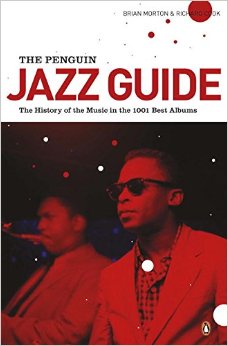
The first edition of The Penguin Guide to Jazz was released in 1992, long enough ago that the second half of the title was "…on CD, LP and Cassette." Eight amazingly comprehensive editions followed before co-author Richard Cook passed away in 2007. This tenth and presumably final edition, titled The Penguin Jazz Guide: the history of the music in the 1000 best albums, was compiled by Cook's writing partner Brian Morton and released in 2010. While the previous versions were encyclopedic reference works, this one is more of a chronological history of the music arranged around the albums – some famous, many not – Morton and Cook have identified the ones that every fan of the music should know.


I'll finish up with a switch from the general to the specific: three autobiographies by legendary jazz artists. Saxophonist Art Pepper's autobiography Straight Life is an often-harrowing and remarkably candid account of his life as a musician, which was marred by horrific problems with drugs and alcohol, prison sentences and stints at a rehabilitation centre which turned out to be a cult. Miles: the autobiography (co-written by Miles Davis and Quincy Troupe) is an equally unsparing account of the life of arguably the greatest figure the music has ever known, detailing his own struggles with substance abuse and systematic racism as he changed the course of jazz several times over the course of his extraordinary life.
Finally, Lady Sings The Blues by Billie Holiday (also available in eBook format) takes readers on a journey from her hard-knock childhood (where she ran errands at a brothel in exchange for the chance to listen to jazz records) to her career as a singer fronting some of the biggest names in jazz (including Count Basie and Artie Shaw), all the while battling her own demons and the vicious racism she decried in songs like "Strange Fruit."
One thought on “Never Read Anything the Same Way Twice: Jazz Books at TPL”
Great post! I think I’ll have a look at “The jazz standards” one of these days, and I’ll read the Billie Holiday book.
I love using the Jazz version of Naxos Music Library, available on the Toronto Public Library website.
Thanks for a wonderful post for jazz fans, and for those who would like to learn about jazz.