This is your brain on…
Photo by Sean Michael Ragan
How does gardening cause car accidents?
Well. According to Czech scientist Jaroslav Flegr (and a growing minority of his colleagues), exposure to cat droppings — for example, in garden dirt — may lead to infection by toxoplasma gondii protozoa, which nestle in the brain and leak dopamine, causing their hosts to become distractible and reckless, and the next thing you know: car accidents.
Shocking and strange and sort of disgusting? Yes, but also just the tip of the iceberg: the more scientists look, the more they're discovering that our very natures are massively influenced by the myriad parasites, bacteria and viruses that make us their homes.
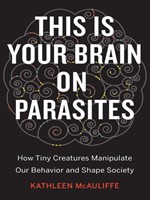 |
As science writer Kathleen MacAuliffe explores the burgeoning science of neuroparasitology in This Is Your Brain on Parasites, you get the uneasy feeling that our minds are not at all our own – or rather, that we ourselves are less individuals than collective entities; each of us a walking, talking colony of cooties, no two assemblages alike. |
But what to do about this, aside from washing your hands a lot and never, ever gardening without gloves on?
While you can't completely control whether or not you get infected by parasites and viruses, you can more or less choose what to eat; and some studies suggest that what you eat can influence your microbiome – the ecosystem of bacteria, helpful and harmful, that live in our guts and (recent research suggests) influence our dispositions.
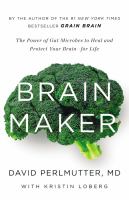 |
In Brain Maker, neurologist David Perlmutter (of Grain Brain fame) has some suggestions for how we might cultivate happier bacteria: better living through microbiology. |
If the idea that your mind is not entirely under your control fascinates you more than it unsettles you, you're probably already familiar with the late, great Dr. Oliver Sacks. But just in case you're not, or you haven't caught up with him lately, take a look at Hallucinations:
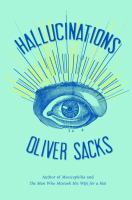 |
It turns out that the celebrated neuroscientist had a history of experimenting on himself, and his accounts of his own hallucinations and those of others, due to migraines, chemicals, Parkinson's, sleep, blindness, and sensory deprivation, among other things, are, as always, both expertly narrated and mind-blowing.
|
(Incidentally, if you didn't read the four very moving autobiographical articles Dr. Sacks published in the New York Times leading up to his death last year, they've been collected into a book, aptly titled Gratitude, and you should check them out.)
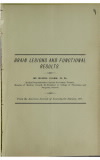
Neuroscience has been making great strides in understanding the brain's relationship with outside forces lately, but the last couple of decades aren't the whole story. Take a peek into the field's early days in this article on brain lesions from the quaintly titled American Journal of Insanity, 1881:
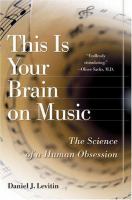
Finally, if you're just generally interested in how different activities change your brain, here's a round up of "Your Brain On" titles:
 |
 |
 |
This Is Your Brain On Music, by Daniel J. Levitin
This Is Your Brain On Sex, by Kayt Sukel
This Is Your Brain On Sports, by L. Jon Wertheim and Sam Sommers
And here's a final, cautionary word, for those who suspect that the conclusions we've been drawing from coloured blobs on MRIs might be a bit overblown:
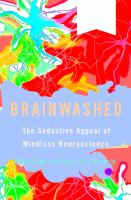 |
Brainwashed: The Seductive Appeal of Mindless Neuroscience by Sally L. Satel and Scott O. Lilienfeld Satel and Lilienfeld take on some of the more questionable applications of neuroscience, from criminal prosecutions to questions of free will. |
…any questions?
Comments