Arrival and the Mystery of Other Minds

In Arrival, the new science-fiction mindbender from director Denis Villeneuve, Amy Adams plays Dr. Louise Banks, a linguist tasked with communicating with the world's first alien visitors — mysterious beings who materialize all over the world in hovering black obelisks. As global hysteria escalates, Dr. Banks scrambles to decode the visitors' messages, and discovers a truth: if learning a language changes the way you think, learning a deeply alien language really changes the way you think. It's a fun thought experiment, and Villeneuve, like Chris Nolan in Inception and Interstellar, knows how to use narrative confusion to dramatic and philosophical effect.
If you enjoyed Arrival and want to spend some more time thinking about the mysteries of communication, here are a few suggestions:
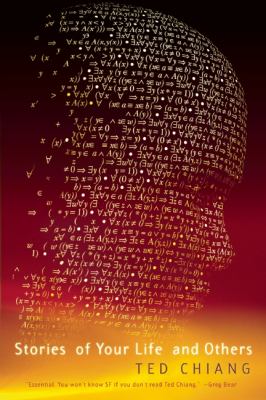
Stories Of Your Life
by Ted Chiang
This collection includes The Story of Your Life, the short story that Arrival was based on. Chiang concerns himself with hugeness: huge objects, huge ideas. In addition to The Story of Your Life, he writes a vivid description of the construction of the Tower of Babel that ends with a Borgesian möbius twist.
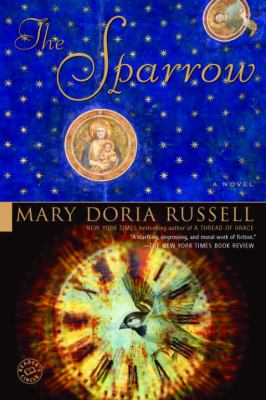
The Sparrow
by Mary Doria Russell
Another story about a linguist trying to communicate with alien intelligences, The Sparrow is a weird blend of gassy melodrama, Jesuit theology and ultraviolence. I read it once and loved it, then read it again and hated it. Try your luck; if you skim over the first couple of hundred pages, you'll find a lot to think about in the second half.

Other Minds
by Peter Godfrey-Smith
Have you ever harboured fantasies of communicating with other life forms? While you're waiting for those massive black obelisks to materialize, you can always try to plumb the depths of mysteries closer to home: cephalopods! Godfrey-Smith is a scuba-diving philosopher of science, and his account of octopus intelligence covers everything from the evolution of the nervous system to the big questions: how can intelligence evolve in non-social animals? What is it like to have eight tentacles so rich in neurons that they think for themselves? What would it mean to communicate with a squid?

Ten Million Aliens
by Simon Barnes
To be honest, this book is less about communicating with mysterious others here on earth than about marvelling at their peculiarity. Barnes looks at the sex lives of slugs — acrobatic! — and the nipples of opossums — 13! — and that's just the first two chapters. Earth may not need any alien visitors; after reading this, you may feel that we have our hands full already.
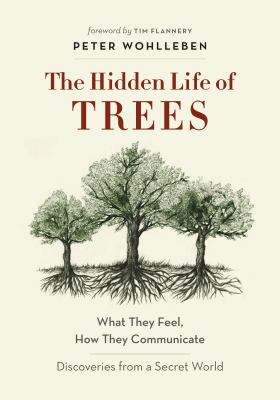
The Hidden Life of Trees
by Peter Wohlleben
Look, sometimes it's hard enough to understand our fellow humans without trying to think ourselves into the shoes of aliens or octopi or invertebrates. On the other hand, sometimes it's nice to imagine a social life characterized by profound stability, constant communication and mutual support; something like the social life of trees. Yes, trees: science now tells us that trees have feelings, that they communicate within family groups and that they go to great lengths to protect each other from harm or insult. Now, what would happen to the way we think if we could learn their language?
One thought on “Arrival and the Mystery of Other Minds”
Great post! I’m hoping to see the movie this weekend. It’s really interesting to consider the different forms of communication happening on our planet right now.