Personal Budgeting – Tips for First Timers
We’ve all been there; life gets tough financially and we somehow just have to make it work. Budgeting is a tool that helps manage these difficult times to ensure that all of your important priorities and obligations are met.
Here are some tips to get you started:
- Understand why you are budgeting. Are your debt levels getting too high? Are you saving up to make a big ticket purchase? Do you expect your income to change significantly in the near future? Once you know why you need to budget, it’ll be easier to commit to it for the long term.
- Know what your current income sources are and calculate the appropriate amounts. Employment and investment income are subject to taxes. Use this Tax Calculator to see what your post-tax income is. Do you have other income on the side that fluctuates (tips from work, gifts from family/friends)? Try and calculate an average amount based on prior years.
- Be honest with your spending patterns and identify what could be considered luxuries. Look at some past receipts and credit card bills. Do you eat out at restaurants often? Do you enjoy going to the movies or splurging on new clothes? Get exact numbers and see where you could cut back without reducing your quality of life too much.
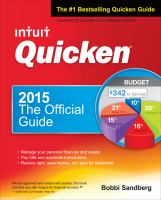
- Start simple. Use a pen and paper if you want. Or try Microsoft Excel spreadsheets. You could even put cash in labelled envelopes (groceries, clothes, etc.) and stop spending once that envelope is empty until your next refill date. More sophisticated software programs (Quicken, Microsoft Money) are available, but don’t feel obligated to use them until you’re ready.
- Don’t be afraid to adjust and start over. It’s ok to go over your first budget. Sometimes unexpected expenses or circumstances arise. When this happens, go back and investigate what went wrong so you can'take it into consideration next time.
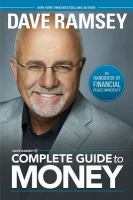
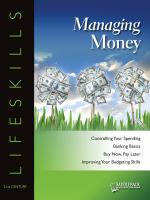
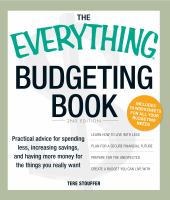
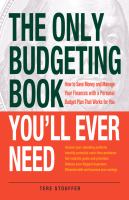
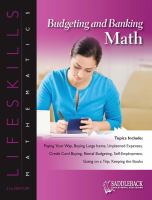
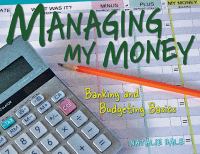
Keep at it and good luck! If you’re interested in reading more, check out some of these titles:

2 thoughts on “Personal Budgeting – Tips for First Timers”
I never thought about a budget until after I was in debt and started a Consumer Proposal repayment plan. Now, I have limited my spending to separate categories which are in priority and importance. This process starts one thinking about needs versus wants; makes you pay rent and bills first; purchase food & transportation before going into a ‘luxury store’ (means merchandising anything you do not require immediately or desperately for the next two weeks). The discipline (of not having credit cards) helps you get on track about over-spending on non-essentials, buying habitual treats and just junk. It’s tough, but gets easier and more fulfilling.
Hi Chloe,
Glad to hear that budgeting has helped you prioritize your spending. Thanks for sharing your experiences!