How much salt do we need?
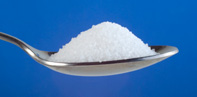 Canadians, on average, consume about 3,400 milligrams of sodium a day…that's more than double the amount needed for a healthy adult. High sodium intake puts us at risk for high blood pressure - a major risk factor for stroke, heart and kidney disease. Stroke and heart disease are leading causes of death and disability in Canada. Research suggests that reducing the amount of sodium in our diet could prevent many premature deaths from heart disease and stroke. To address this issue, the Government of Canada established the Sodium Working Group to develop, implement and oversee a strategy to reduce the amount of sodium in our diet.
What is sodium and where is it coming from?
Sodium (Na), also known as sodium chloride, is a chemical element found in table salt. The bulk of our sodium intake (over 75%) comes from processed foods, with the balance from natural sources or from your salt shaker. Restaurant foods, especially fast foods, generally have high sodium content. Sodium is also used liberally by the food industry to enhance flavour and as a preservative.
Do we need sodium in our diet?
We certainly do. Sodium is essential to good health. Without sodium we would cease to exist. Sodium is important for hydration in our bodies as it maintains the electrolyte balance of the body's cells. That's why, after exercise or heavy exertion, we need to replace both water and salt lost through perspiration. While our bodies need sodium to function, too much can be detrimental to our health.
Health Canada's recommended intake of sodium for people 1 year and older ranges from 1000 mg per day to 1500 mg per day. This is way below our current daily intake. Because it's hard to kick the salt habit – some even call it an addiction – the Sodium Working Group recommends a gradual reduction of sodium in the diet. Their target is to reduce sodium in the Canadian diet to 2300 mg (1 teaspoon) per person per day by 2016. This, they argue, should give people time to adapt their taste buds – yes, we do have a taste bud just for salty foods – and should also give the food industry time to find alternate means to process food.
Critics are quick to point out that the Sodium Working Group's recommendations don't go far enough. They point to Finland, where the government took an active lead in reducing the daily intake of sodium by 40% which resulted in a reduction of mortality from stroke and heart disease by 70%. This raises the question, if Finland can do it, why not Canada?
What can YOU do to reduce your sodium intake?
- eat fresh, unprocessed foods instead of pre-packaged, convenience foods
- choose more fruits and vegetables which are low in sodium but contain potassium which helps to reduce the risk of high blood pressure
- if you have to use canned vegetables, rinse them first to wash off the salt
- check food labels for sodium content and choose products with 140 mg sodium or less
- prepare foods with little or no salt and resist adding salt at the table – use herbs and spices instead
- if you do eat out, be judicious about choices and ask for nutrition information
- lobby for availability of sodium chloride reduced salt like PAN SALT available in Finland
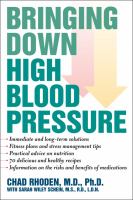
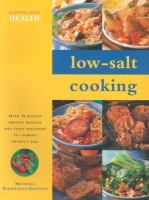
For more information check out some of the books in the library about the history of salt, how sodium affects your blood pressure and learn how to prepare delicious low-salt dishes.

4 thoughts on “How much salt do we need?”
Those people with over active thyroids that produce too much thyroid hormone in the body can no longer eat iodized salt – they will eventually have to switch to non-iodized salt.
The thyroid uses iodine to produce thyroid hormone and when the thyroid is already producing too much hormone, the amount of iodine it needs to use, drops drastically.
I am one of these people. I can no longer eat savoury items purchased from a delicatessen as they use iodized salt. All the cooking at my home now uses only non-iodized salt.
I realise this is not directly salt related, but if one should eat too much salt – having the thyroid go crazy on you is a possibility.
If you take the time to read the food labels you soon realize just how much salt can get into our diet without our being aware of it. It might not be advisable to go completely salt free but we would certainly be wise in cutting back.
Another reason why processed and canned food is not good. Since there is so much salt in it. I have recently been reducing the canned foods I have been eating not only cause of the salt, also cause of the plastic they use is not healthy.
Thank you for sharing information. It quite useful for us also. I always love to read such type of things.