CV (Curriculum Vitae) writing tips – Do I need one?

Your CV (curriculum vitae) is similar to a resume and cover letter, almost like a combination of both but more detailed. It is a complete profile of your academic achievements, degrees, research, scholarly interests, your thesis or dissertation description, associations or boards you may be in, references and any publications you may have. You use it to promote yourself like a personal advertisement – it should highlight the things that are most interesting and impressive about you. It is mainly used for those applying to graduate school or academic/research positions; especially ones with multiple applicants. It should show all that you have done and plan to do, unlike a resume.
It is a lengthy process, so you should make sure you start early. The U of T Career Center has an excellent CV Resource which outlines the 5 basic steps of creating your CV.
- Review your academic and scholarly profile and conceptualize how to order your CV.
- Draft the document.
- Work on the formatting, style and appearance.
- Get your CV critiqued by either a placement officer or faculty member (and other people you trust).
- Work on additional drafts, and incorporate the feedback you received from your critiquers in order to eventually produce a final copy.
There really isn't a template for a CV because it really depends on which sector you're applying to, you can always look at sample CVs for a better idea. Your CV should always be neat and typed using a legible font (something like Arial, Times New Roman, Calibri, Verdana etc.) about size 10 – 12. Your name should appear on the header of each page of your CV. Make sure that there are absolutely no spelling mistakes! Spelling mistake highly reduce your credibility for your CV, resume or cover letter and are a top reason why employers don't hire people. Also, just like your resume and cover letter, your CV should be tailored specifically to the job you're applying for – make sure your CV matches whatever the employer is looking for.
It can be very difficult for people to articulate their own skills, achievements, values and interests – we're used to being modest in everyday life – but this is your chance to gloat! McGill University also has a very detailed and comprehensive CV guide from their career planning department. One of the hardest things about writing a CV, resume or cover letter can be listing all of your achievements, they suggest using the S.T.A.R. technique:
Situation –Provide a brief overview of the situation.
Task – Outline the specific task or responsibility you were asked to accomplish.
Action – Explain the action or activities you took and why.
Result – Describe the positive result or outcome of your actions.
Here are a few more quick tips for your CV:
- Include a profile or objectives section in the beginning of your CV.
- Only list the past 10 years of experience.
- Spell out any acronyms you use – don't assume the employer will understand.
- Try to use bullets when you can – remember that recruiters scan hundreds of CVs, bullets can really help them identify your main points quickly.
- Don't use jargon or slang, just clear simple English.
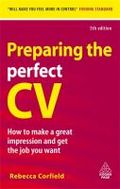
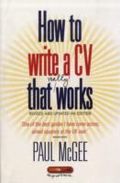
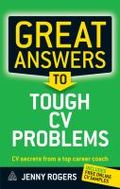
As always, you can always find some more information at the library. Check out some of these books to help you write your CV – good luck!

21 thoughts on “CV (Curriculum Vitae) writing tips – Do I need one?”
These five steps are really helpful for us to make an impressive CV;as CV cost high in getting the right job for every one!!
Resume Template
Highlighting the skills and word format are the best tips for preparing a perfect CV.
Along with a CV, job seekers should send a value proposition letter. With it, they will set themselves apart from the competition. We posted a piece http://academy.justjobs.com/the-value-proposition-letter/ that discusses this and provides details. – Erich
Thank you @Career_confess, a value proposition letter is another good way to set yourself apart.
I like all details that you provide in your articles.
http://phlebotomytrainingexpert.com/resume-tips/
@ Amy Krussel, thanks for your feedback!
Disc personality test helps in finding the right career for you. It is essential to distinguish your strengths and weaknesses to know which career is best for us. It will definitely help us to find success in our career and job search.
http://www.success-insights.co.uk/disc
Your CV must be organized in such a way that the interviewer would be very comfortable in reading. You should also consider being 101% honest on the information that you wrote down. Although a well organized CV doesn’t always mean that you are qualified for the job, it is helpful for the interviewer to maximize the possibilities in your evaluation. Plus, it also creates a good impression.
Don’t bury your lead. Grab your reader’s attention at the outset with whatever about you is different from all the other candidates. Include any academic, work or personal skills you may have that will contribute to the work environment. Be honest, but sell yourself.
great information thanks for sharing i was finding information about Word dissertation template can you post something like this?
wow could use this one thanks a bunch mate!!
Thanks Julie! I’m glad you like the 5 tips.
You’re welcome!
Would you like to know more about dissertation formatting? I suggest reading this: A manual for writers of term papers, theses, and dissertations or Essays and dissertations, good luck!
Good advice @Advertising Jobs, set yourself apart from the rest.
Writing a CV can be very trickier…while writing a curriculum vitae it’s important to include all the right information so that the hiring manager can see at once,why you are a strong candidate for the job.
I like this piece very much. Thanks.
Yes this is amazing post i am really happy i chose this wonderful topic , i think dissertation writing and Thesis writing are the key concept in present age, thanks for shearing with us such an interesting thing .
Yes this is amazing post i am really happy i chose this wonderful topic , i think dissertation writing and Thesis writing are the key concept in present age, thanks for shearing with us such an interesting thing .
You’re very welcome, glad you enjoyed it.
Oh, you’re very welcome. It is true, right now a lot more people are furthering their education, sopresenting all of their accomplishments properly in a concise, easy to read way which will catch the attention of hiring managers.