Kids Lit: A HIstory of Rebellion
Once upon a time, children's literature was not so… childlike. It reflected the norms of the time – that children were to be molded into and treated as small adults, with related expectations about their behaviour. It was quite unlike our modern notion of childhood, when we not only accept, but expect silliness, wild emotions, play, and development of unique personalities and interests – and our kids' books, in turn, are full of the same.
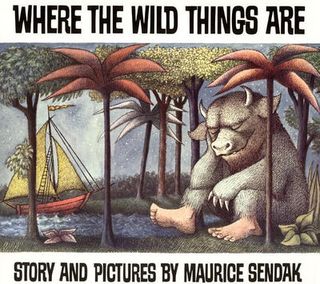 A recent New York Times article highlights a few of the now-classic children's authors were made it their mission to break the mold, and the resistance and discomfort that their work encountered. A favourite of many and much-beloved story, Where The Wild Things Are, is cited as a perfect example, in which Max behaves terribly, and never gets any sort of comeuppance for it – far from the morality tales of earlier days. But he was also real, as author Maurice Sendak explains in the article. “I developed characters who were like me as a child, like the children I knew growing up in Brooklyn — we were wild creatures … So to me, Max is a normal child, a little beast, just as we are all little beasts. But he upset a lot of people at the time.”
Dr. Seuss is another author who wrote about imperfect children with wonderful results. This article talks about his first book, And To Think That I Saw It On Mulberry Street, was rejected over and over – it featured a boy spinning wild tales to tell his father, possibly instead of the truth. Dr. Seuss, though, is most beloved for the silliness and nonsense in his books. Injecting fun into beginning readers like Cat in the Hat and Hop on Pop was revolutionary in his day, and the two are still favourites of many.
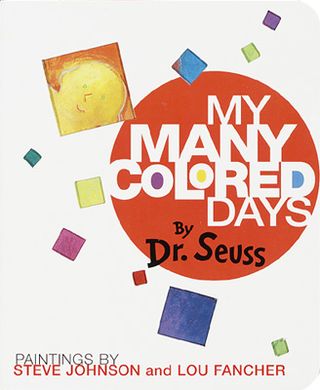 Seuss also wrote one of the early books about emotions with an understanding of how wildly they can change and how difficult it is for children to get a handle on them in My Many-Coloured Days. Today's approach to emotions in children is very much to accept them and show them in a way that kids can relate to, even in the case of anger, as in the book When Sophie Gets Angry. Books are still tools for teaching, but in the case of emotions, they are teaching kids to identify emotions and see them as something they can move past, not teaching them how they "should" behave.
These authors and their groundbreaking silliness and impropriety have been by now embraced and added to a growing list of kids' classics, opening up the doors for kids authors who continue to celebrate the ridiculous and subversive, and who sometimes still meet with some disapproving paren'ts and educators!
The legacy of playfulness and turning proper on its ear continues today with authors like Robert Munsch and David Shannon, author of No, David! Some paren'ts love them, some hate the behaviours in them, but however you approach them, there can be no doubt that kids enjoy them – and isn't that the point?
2 thoughts on “Kids Lit: A HIstory of Rebellion”
is it true that there are no more children’s librarians in the city of Toronto, as the press release is saying?
Toronto Public Library has a strong commitment to children’s services and there are many librarians whose assignment is children’s services, including collections and programs. The Library also has Children’s Services Specialists whose responsibility for children’s services extends beyond their branch, providing support to all staff working with children’s services and collections in branches in the area.