Shamelessly Reading Kids’ Books: Kidlit Book Group for Adults
Calling all teachers, children's authors, paren'ts and kids' book enthusiasts! Maybe you've started an online book club. How about making it a Kidlit Book Club, for adult readers to discuss outstanding works of children's literature? Some library branches run paren't-child book clubs, and we hope to see you at a future meeting. But until then, consider starting your own book group at home!
Kids' books are not just for kids. E.B. White, who penned such classic tales as Charlotte's Web and Stuart Little, explained that he didn't have an audience in mind while writing. His books are marketed to a young audience, but they examine timeless lessons, foster respect for young voices, and speak to the child that exists in all of us. This Brain Pickings essay goes into more detail about White's thoughts on writing and the writer's responsibility to all readers.
Gretchen Rubin, author of The Happiness Project and Happier at Home, launched several kidlit book groups. In a New York Times article, Rubin admitted that she used to hide her interest in kidlit because it didn't fit society's accepted notion of a sophisticated adult. A lot of us might feel pressure to do the same. Of course, kids' books never have to go out of style. Readers of all ages can find joy and comfort in children’s literature. Here are some children's books recommended by Rubin that both you and your child can enjoy:
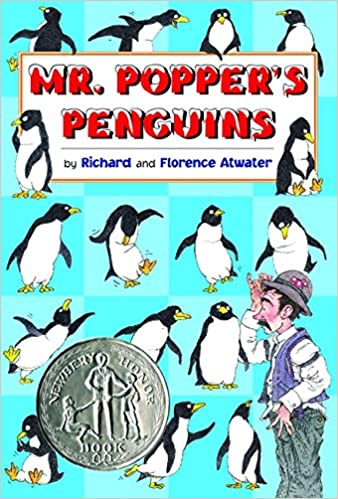
Mr. Popper's Penguins by Richard Atwater (Ages 6+)
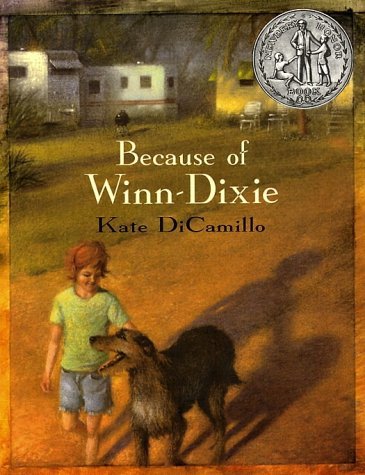
Because of Winn-Dixie by Kate DiCamillo (Ages 8+)
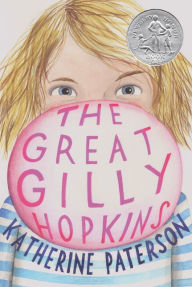
The Great Gilly Hopkins by Katherine Paterson (Ages 10+)
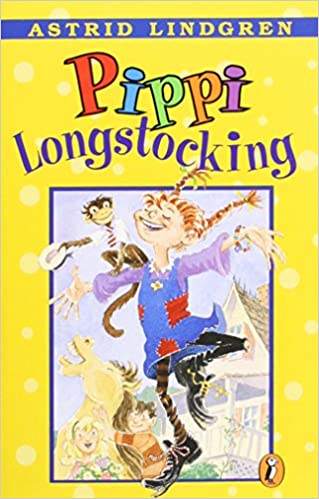
Pippi Longstocking by Astrid Lindgren (Ages 7+)
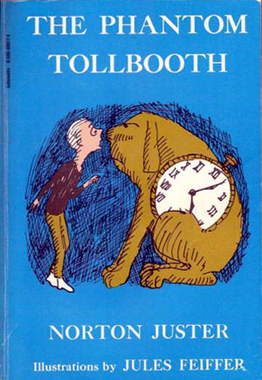
The Phantom Tollbooth by Norton Juster (Ages 8+)
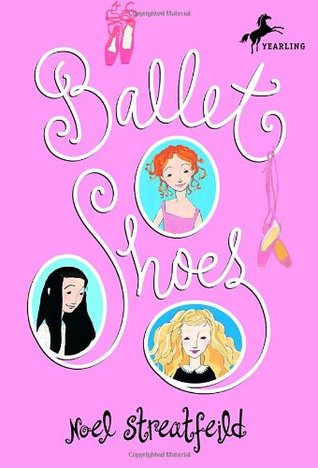
Ballet Shoes by Noel Streatfeild (Ages 6+)
The richness of vocabulary in kids' books cannot be understated. As reported in a Bustle article, research found that books for children contain more rare words than a prime-time television show for adults! Bibliophiles might surprise themselves with some new terminology. Plus, children who see the adults in their lives reading books will model that behaviour. You can be the role model for kids, possibly even connecting with them about the books that they know and love. For more tips, check out Reading Rockets' article "How Can I Improve my Child's Reading?"
Updated on April 15, 2020.
Comments