Science Literacy Week 2020 – B is for Biodiversity
The theme of this year’s Science Literacy Week (September 21 – 27) is "B is for Biodiversity." We're celebrating Canada, a country rich in biodiversity. Opportunities to learn about science and conservation are readily available to budding scientists.
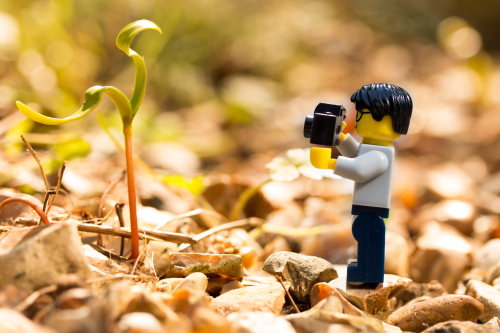
If we were holding a Biodiversity Bash for our country, who and what would be invited to this pretend party?
- the Great Lakes, the prairies, the Boreal forest, marshland and tundra
- a long list of animals including moose, caribou, beavers, porcupines, geese… don't forget raccoons
- various plant life, wildflowers, grasses, and mosses
- fungi like puffball mushrooms and chanterelles
- amphibians like wood frogs and toads
… just to name a few!
Kids can easily add to this list from their own experiences, but how can'they feel engaged about preservation?
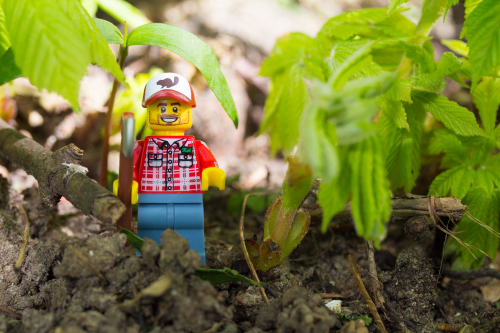
Even if You're Little, You Can Do A Lot
- Everyone can contribute to a sustainable world, from turning off the running faucet while brushing their teeth to recycling materials around the home for crafts.
- Help kids determine what it means to be an environmental steward and get involved in community projects like park cleanups.
- And remember: "If you think that you are too small to make a difference, you haven't spent the night with a mosquito." – African proverb, quoted by the Dalai Lama
Citizen Science
- Read informational plaques when walking together, like the city's tree identification program. More than 217 different kinds of trees grow in Toronto alone! City plaques may also include a call to action, like crowd-sourcing photos in a particular area to track invasive species.
Start With Your Library
- Check out our Mini Wonder Workshops on the topics of animal adaptations and pollution for a fun complement to this Science Literacy Week.
- Explore TPL Kids, where curious young readers can submit questions to our Wonder Wall. Visitors have asked many questions about the natural world, such as "Why do moths like light?" and "Why do giraffes have purple tongues?"
- Below, we've used other words that begin with "B" as a springboard into this year's theme. We've included some of our favourite science books that creatively explore these subjects.

B is for Biome
Plants, animals and other living things adapt to live together in a biome, sharing a similar terrain and climate.
- Ask kids, "If you were constructing a biome, what kinds of plants and animals would live there?"
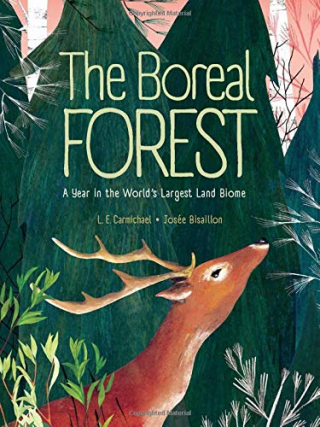
The Boreal Forest: A Year in the World's Largest Land Biome by L.E. Charmichael (ages 8-12)
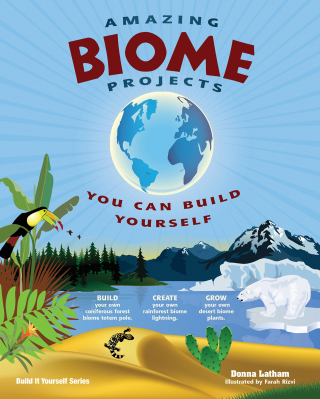
Amazing Biome Projects You Can Build Yourself by Donna Latham (ages 9-12)
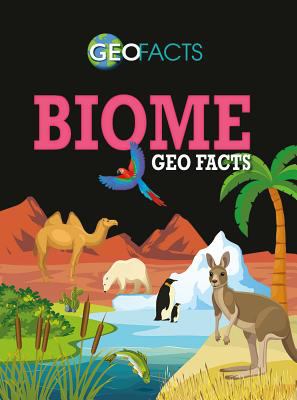
Biome Geo Facts by Izzi Howell (ages 8-12)
B is for Bumblebees
Pollinators are incredibly important to maintaining biodiversity and bumblebees are usually first to spring to mind.
- Did you know that bats, butterflies, wind and even people are pollinators?
The Bee Book by Charlotte Milner (ages 5-8)
Explore Honey Bees! by Cindy Blobaum (Ages 7-10)
Bees: A Honeyed History by Piotr Socha (Ages 6-9)
Follow That Bee! : A First Book of Bees in the City by Scot Ritchie (Ages 4-7)
B is for Biology
Here is another big topic for young science lovers and conservationists: the study of life and living organisms.
- Break biology down into digestible parts or other "ologies" for kids to discover: zoology (the study of animals) or botany (the study of plants).
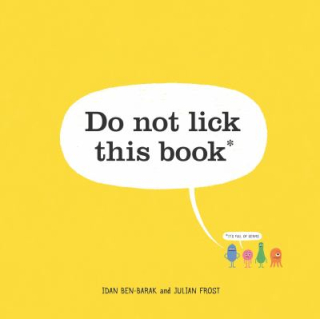
Do Not Lick This Book* : *It's Full of Germs by Idan Ben-Barak and Julian Frost (ages 4-6)
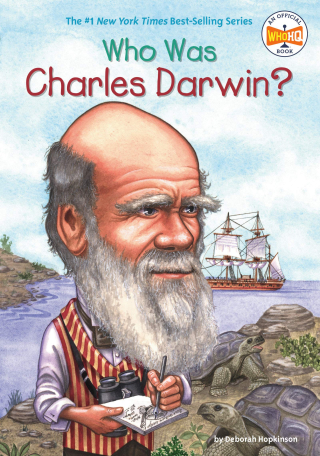
Who Was Charles Darwin? by Deborah Hopkinson (ages 9-12)
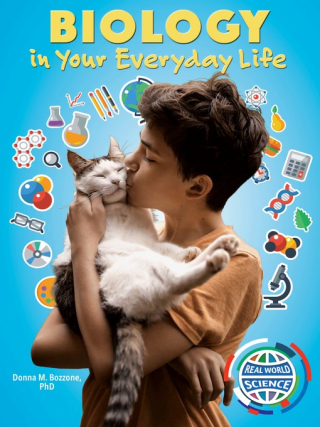
Biology in Your Everyday Life by Donna M. Bozzone, PhD (ages 8-12)
How are you participating in this year's Science Literacy Week? Share with us in the comments below.
2 thoughts on “Science Literacy Week 2020 – B is for Biodiversity”
B is also for BRILLIANT BRAINY BLOG posts! Well done Jennifer!!
Great job making science concepts, both big and small, more accessible to kids (and those of us who never grew up!).
(And how cute are those little BUILDING BLOCK BOTANISTS & BIOLOGISTS?!!!)
I looove this post! Biodiversity was my number 1 favourite subject growing up, and I still nerd out about it now (especially lichen, moss, and mushrooms!). Love learning about all the trees in Toronto too – the informational plaques in our parks and on our paths are so great! Also, I was just camping last week and my partner and I were pondering why moths were attracted to light, so thanks for *enlightening* us 😉