The Consolation of Blizzards? Relief from the Overwhelm
I really love blizzards. When I was in school it meant a day off. Even if you got stuck on a bus somewhere, it meant you didn’t have to go to/stay at school. It could also mean you didn’t get home early, so you got assigned extra chores.
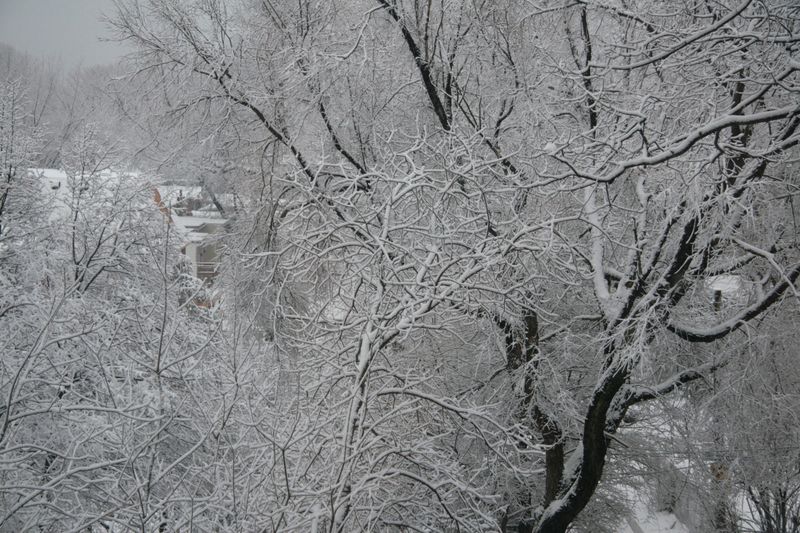
©Amanda Clarke–used by permission
When I started working, it still could mean a day off. Once it took me two and a half hours to get from my apartment in downtown Toronto to my workplace in Don Mills. By the time I arrived, they’d decide to close up and send everybody home. Three hours to get home. But I’ll never forget standing at the bus stop watching six snow ploughs in tandem trying to clear Lawrence Avenue.
It wasn’t just missing school, or chores or work. It was knowing that nobody could expect me to be anywhere or do anything, on time, or otherwise. All my plans, big or small, were out the window, and I had to live just for now, in this moment. The whole world had to stop, and everybody had to stop with it.
Stopping is not the North American way though, especially with the rise of the 24 hour workplace, and the cult of productivity at any cost. Work, the economy, being busy, become ends in themselves—do more, because then you can do more, because then you have more to do.
Several recent books touch on this phenomenon.
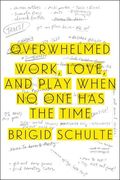 Overwhelmed: work, love and play when no one has the time
Brigid Schulte looks at working mothers, and the pressures of doing it all—nobody even talks about having it all anymore. Is it money, perfectionist ideals, relentless comparisons with other people’s “success” stories? Or is the overwhelm just plain addictive?

Dangerously sleepy: overworked Americans and the cult of manly wakefulness
It’s not just a woman’s problem. Alan Derickson looks at the “I’ll sleep when I’m dead” ethos that drives men to work at the cost of all else. Not just unfulfilling, downright dangerous.
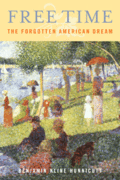
Free time: the forgotten American dream
What exactly are we working for? Benjamin Hunnicutt covers a history of labour that moved from the idea of “higher progress”–time spent on pursuits unrelated to money—to the relentless 21st century mantra that work is, and should be, all-consuming.
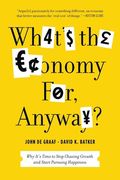
What's the economy for, anyway?
John De Graaf and David Batker ask what exactly is the good life, and why does it have to be about money only? Maybe it’s not the economy, stupid, but the stupid economy.
The stress of the 24/7 world won’t be gone soon, and neither will those bills to pay. If you can’t slow down any other way, remember the consolation of blizzards, and give thanks for the next big Canadian winter storm. It’s sure to be coming your way.
Comments