Itty bitty nanobots
 Imagine machines so tiny that a whole pile of them would fit into the period at the end of this sentence. Machines with specific tasks that could be injected into a human body like either a medicine or a virus. Machines that could self-replicate, like cells in an animal or plant.
As far-fetched as this may sound, its actually not that far from being a reality. Around the world, hundreds of scientists have started working on building simple machines out of individual atoms. The applications of these nanomachines are endlessly exciting, from super stain-resistant clothing to incredibly-strong materials for things like space elevators.
As with all technological advances however, there are serious concerns about the potential hazards that these new nanomachines may introduce. Some of the most interesting examinations of these issues can be found in the pages of science fiction novels.
 In the world of BZRK, a fierce battle is being waged. Teams of nefarious hackers use microscopic 'bots to creep into a victim's body (frequently through a nostril or a tear duct). Once inside, they rewire the neurons that control their host's brain, making them a virtual slave to the whims of the 'bots controller. Fighting them are a ragtag group of freedom fighters that must skirt the law in order to check these puppetmasters' attempts at global mind control.
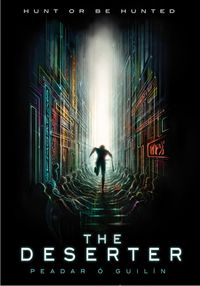
Other authors explore the dangerous results of self-reproducing nanobots. In the The Deserter, the second book in Peadar Ô Guilin's The Bone World series, inhabitants of the futuristic world "The Roof" use self-replicating nanotechnology to maintain their utopian environment. Their universe starts to collapse however when this nanotech starts to collapse in on itself, devouring The Roof in a terrifying, cancerous spread.
These science fiction novels may take the dark potentials of developments like nanobots to extremes for the sake of a good story. But in doing so, they also create ways for people outside of the scientific community to understand and engage with the potentials (and potential costs) of these miraculous new ideas.
So what do you think about nanotechnology? Should we be terrified of tiny bugs invading our brains? Or does nanotech represent an exciting and revolutionary scientific development? What are some applications you've heard about (or could imagine) for nanotechnology?
(For more information on nanotechnology, check out this excellent article on howstuffworks.com. Credit where credit's due, I used it a lot to write this article!)
18 thoughts on “Itty bitty nanobots”
I don’t know about nanobots, but I know about nanoshells. 🙂
What’s a nanoshell?
As much as all this is exciting it is also a bit freaky…what can go wrong almost always does and I wouldn’t want to be one of their first test subjects. LOL
Your fear and doubt is understandable but we cannot make any judgements on the technology until it is presented and detailed to us.
That is true.
personally i’m not that interested in these type of topics, but it surely would be creepy if these tiny things that we can’t even see, control us!!
you are already being controlled by seen and unseen forces! Advertising media, IMF, food….nya ha ha.
Nanobots. The way to the future!
Nanobots are the future you could vaccinate millions of people just by spreading these through the wind and just imagine these things performing tasks like heart surgery!!!!!!!! I cant wait until nanobots become a part of our everyday lives. Plus doesn’t the plot of BZRK sound A LOT like The Matrix?
A nanoshell is basically a very very tiny sphere about 100 times smaller than the tip of a pin and 100 times thinner than the tip of a human hair. It is normally made out of solid gold. I first learned about this in the book ‘SCORPIA’. It was about an organization that was going to kill children between the ages of 12-14 with nanoshells. First, the nanoshells were hidden in vaccines. Then, inside the nanoshells, Scorpia put cyanide which was activated using satellite dishes. If the satellite dishes activated, the gold would wear away; and the cyanide would be released into the bloodstream, killing the children. In the end, Alex Rider saves England’s schoolchildren by deactivating the satellite dishes before they reached maximum height in the hot air balloon.
Cool! Thanks!
Here’s a link to the book Mondipa’s talking about, if anyone else wants to read it!
http://www.torontopubliclibrary.ca/detail.jsp?Entt=RDM339808&R=339808
Just like every other creation from a TV to a computer was viewed as something very dangerous and full of trouble. People did not want to accept TVs at first out of fear of being addicted to it. Silly right. All new inventions were not welcomed out of fear. This is just the next step we are taking. Unless we take it, how can we find out what the risks and benefits are? BUT to be honest I am not a fan of having a machine run system inside of me either.
Why would you not be interested ? Oh well , to each his/her own.
Machines are far more efficient than humans will ever be, there’s a reason they were created.
You could also spread nanobots carrying lethal materials. Honestly, a system like that would mass genocide much easier. You wouldn’t want to risk anyone poisoning the air we breathe in. Even if the air wasn’t poisoned how would our organisms respond to the nanobots?
That’s true. But in the beginning, machines were created by humans. So humans are smarter than machines.
I was all for it until I read the second half about self-reprocreating bots, which is now my only worry about the whole nanobot thing. But I think it’s great just as long as it’s well tested out and there are several ways to stop them if they do go beserk.
It’s alright I think as long as they are working with the people and they have full control over them. I don’t want to be run by a machine though. They were created by human hands which are bound to make human errors meaning that robots too are bound to have a flaw.