Week Sixteen
Fellow writers and readers, this is my last week as
Writer in Residence at the Toronto Public Library, and so I welcome you to the final
instalment of Three Things. First, though, I'd like to say a heartfelt
thank-you to the management and staff of the North York Branch, as well as to all those who submitted work to the program, participated in the various
workshops and events, and tuned in to this weekly blog. It's been a great four months!
And so, without further ado, this week's offerings: "Safe Crossing?",
"Laps" and "Dawn Chorus."
Safe Crossing?
One of my favourite authors is Wallace Stegner; I love
both his non-fiction and his fiction. This week I was reading his wise and
wonderful novel, Crossing to Safety, when I was struck by a scene wherein the
narrator, Larry Morgan, almost loses his beloved wife during the birth of their first child.
Consider his response when a friend inquires as to the
health of the new mother:
"'What happened? Is it over? Is she all right?'
'The baby's born,' I said. 'I think it's a girl. I don't
care what it is, so long as she's rid of it.'"
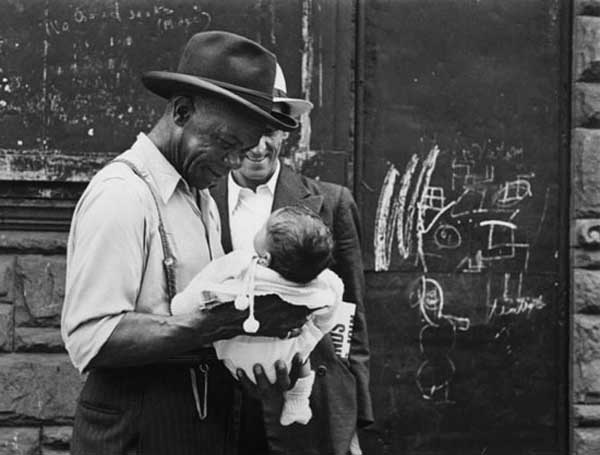
Imagine being that girl, that daughter. Of course it's
not fair to blame a newborn baby for anything, but a great deal of human
behaviour isn't fair. If I were to write a story from the point of view of such
a girl/woman, I would begin with the following questions:
1) How long does it take her father to forgive her?
2) Does he ever really take her to his heart?
The tenor – indeed the whole direction – of the
narrative would depend on the response to that second question. If it was affirmative,
I'd be inclined to centre the story on the moment when the father relents. If it was negative, I'd focus on the daughter's latest and most desperate bid for
his love.
Laps

Recently, while waiting at a light on the Bathurst
streetcar, I watched a handful of teenagers running laps around a school track. It was
after school hours; in other words, these were kids who wanted to be there.
Every one of them was fit, determined-looking, clad in the appropriate
streamlined gear. Needless to say, I began to imagine a different kind of kid – an ungainly outcast whose
carries his body like a burden, who, even if his paren'ts could afford to get
him the right running shoes, wouldn't know which brand to buy.
What if this kid found himself drawn to the ritual
discipline of the track? He wouldn't dare risk getting laughed at. He'd run his clumsy laps at night.
Picture him grappling up the wire mesh fence, falling
back to knock himself breathless, recovering and climbing again. Imagine him
setting off at a sad pace, halting every hundred metres or so to stand gasping, hands
on his knees. You have to love a pathetic runner. (Think of Will Bird in Joseph
Boyden's unforgettable novel Through Black Spruce, shuffling hung-over down country
roads, jogging himself sober, jogging himself sane.)
And speaking of love, surely we can't leave our midnight
track star turning circles in the dark alone. For some reason, I see a girl
with a sketchbook – a girl from a nearby school who neither mocks nor pities
our panting hero, but is content to keep him company, drawing quietly in the
bleachers while he runs.
Dawn Chorus
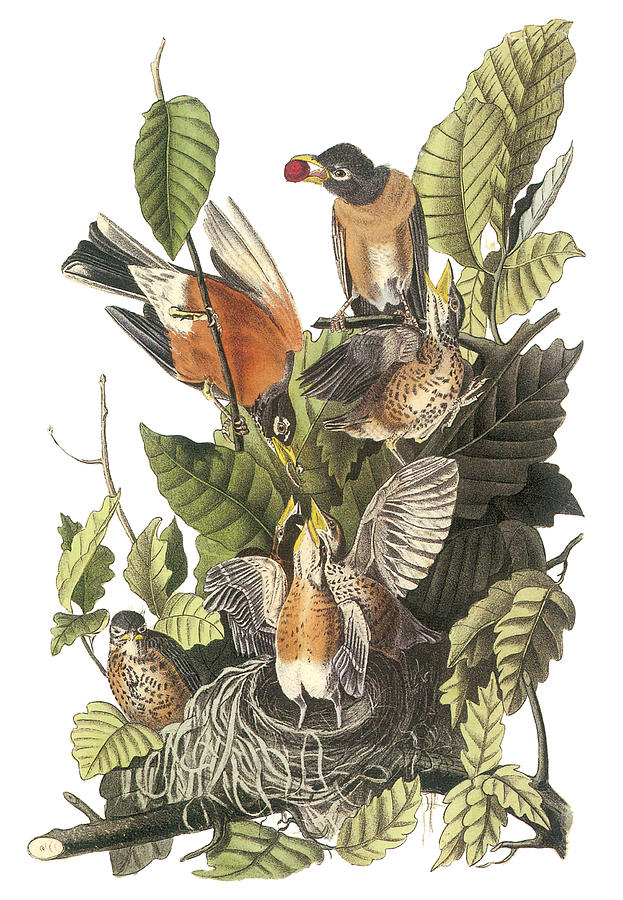
More than once during the past week I woke at first light to the
sound of the robin outside my window enthusiastically greeting the day. The dawn
chorus is a moving and mysterious natural phenomenon, so imagine
my shame when (again, more than once) I jammed in some earplugs and tried to catch
another hour's sleep.
First light can be a very creative time. On one of those early mornings when
sleep proved elusive, I began to
conceive of a character who greets the cheerful robin (and his chattering
house sparrow buddies?) with an even less poetic response than my own. Picture a man at the end of his tether
yelling "shut your beaks" before slamming his window shut. Doubtless
he has his reasons. Perhaps the last thing he wants to be is awake.
At some point in my musings, the term "dawn
chorus" (lovely in and of itself) got me thinking about the theatrical
convention of the Greek Chorus – a group of nameless, often faceless (i.e.
masked) actors who speak with a unified voice. In general, the chorus acts as a
kind of collective commentator, often articulating elements of the narrative
that the central characters cannot: misunderstandings, secrets, fears, flashes
of insight. Perhaps those avian
voices have a similar effect on our angry, depressive hero. Not auditory hallucinations, exactly – more like a melodic evocation of painful memories and existential angst.
The inevitable circadian return of the dawn chorus
suggests a pleasing narrative structure: imagine a story that unfolds over the course
of a single twenty-four hour period, and begins and ends with the same one-word
sentence: "Dawn." The challenge would be to conjure up the set of circumstances that
could alter the significance of that word (and with it, that moment) for our
protagonist. The first dawn fills him with dread. The second one, on the other hand . . .
One thought on “Week Sixteen”
Thanks for you excellent blog posts, Alissa. I’ve enjoyed them so much. Perhaps you should turn each one into a short story…