Protecting Yourself from Online Scams
While the Internet is a great way to find information and keep in touch with friends and family, it has also has the potential to be used for criminal purposes. Luckily, there are ways to protect yourself while online. The website Mashable recently posted a great list of things to watch out for in your email in 10 Red Flag You're About to Get Scammed.
For more information on the different scams that are out there – including phone scams – have a look at the Canadian Anti-Fraud Website and click on Scam Types.

The Identify Theft section of this website also has excellent information, including the steps that someone should take if they suspect that their identity is being used by someone else and a downloadable Identity Theft Statement that can be used to notify banks, credit card and other companies that identity theft has occurred.
One type of scam is called Phishing. According to Wikipedia, phishing is defined as " the act of attempting to acquire information such as usernames, passwords, and credit card details (and sometimes, indirectly, money) by masquerading as a trustworthy entity in an electronic communication". This video is a somewhat humorous look at the danger of Phishing (and internet dating):
Keeping your information secure while online shopping is also very
important in preventing having your information compromised. The
Ministry of Consumer Services, Ontario has a list of Consumer Protection Brochures for you to use. Have a look at the Home, phone and online shopping online and the Protecting Your Identity brochures.
For more information on keeping safe while online, have a look at one of these books:
 |
 |
 |
 |
 |
Using the Internet Safely for Seniors for Dummies by Linda Criddle and Nancy Muir.
This guide will help readers steer safely through onlines hazards so they can shop, visit, invest, explore, pay bills, and do dozens of other things online – more securely. Learn to protect yourself from online predators, create strong passwords, find reliable information, spot e-mail and phishing scams, and much more.
Also available in Large Print.
Social Media for Seniors : Personal and Business Communication through Social Networking by Rilana Groot
This is a guide for older Internet users on such topics as creating an account on Facebook, Twitter, and LinkedIn; adding personal information and photographs to a profile; configuring privacy settings; and creating a blog using WordPress.
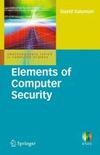
Elements of Computer Security by D. Salomon.
Elements of Computer Security examines the physical security of computer hardware, networks, and digital data. Introduces the different forms of rogue software, discusses methods for preventing and defending against them, and describes a selection of viruses, worms, and Trojans in detail. It also investigates threats to network security and explores the subjects of authentication, spyware, and identity theft and discusses key issues about privacy and trust in the online world.
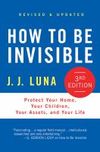
How to be Invisible: Protect Your Home, Your Children, Your Assets and Your Life by J. J. Luna. 3rd Edition.
This book covers methods for protecting yourself from information predators and how to secure your bank accounts, business dealings, computer files, and even your home
address. This new edition covers new dangers from using smart phones, e-book readers and other electronic devices as well as protecting your Facebook, Twitter and online banking accounts.
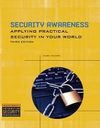
Security Awareness: Applying Practical Security in Your World by Mark D. Ciampa. 3rd Edition.
This book presents a basic introduction to practical
computer security for all users, from students to home users to
business professionals. Security topics are introduced through a series
of real-life user experiences, showing why computer security is
necessary and providing the essential elements for making and keeping
computers secure. Going beyond just the concepts of computer security,
students will gain practical skills on how to protect computers and
networks from increasingly sophisticated attacks.
Comments