Getting Started with CPS Full Access
The CPS (Compendium of Pharmaceuticals and Specialties) is the standard used by Canadian pharmacists for information on medications. CPS Full Access includes drug monographs and patient information reports for prescription drugs, information on therapies for many health conditions and treatments for common illnesses. It also includes several tools, including the Lexi-Interact drug interaction checker and a pill identifier.
How to Access CPS Full Access
- Go to CPS Full Access or https://tpl.ca/resource/cps-full-access/
- Select CPS Full Access>
- Enter your username or your 14-digit library card number (no spaces) and PIN/Password. Select Log in.
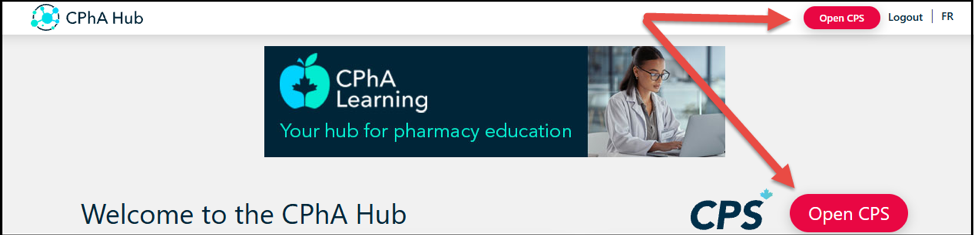
- On the Welcome to the CPhA Hub webpage, select Open CPS.
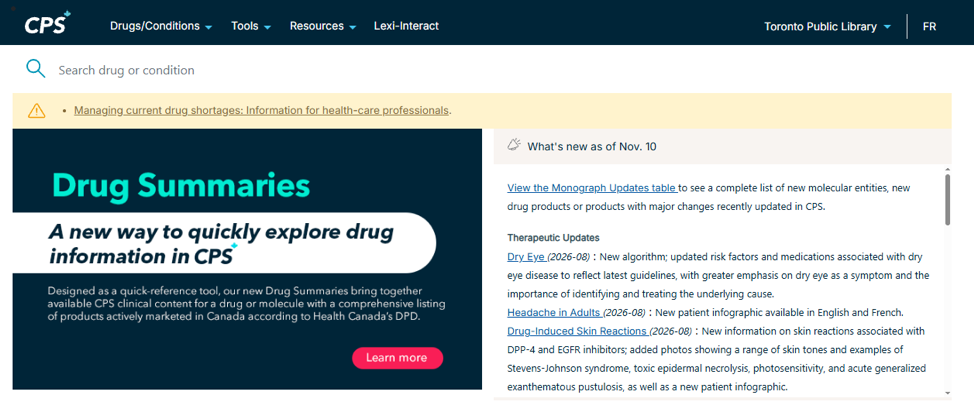
Search for a monograph or patient information report on a specific medication
A monograph is a detailed scientific document on a drug that describes the properties, claims, indications and conditions of use of the drug and any other information that may be required for optimal, safe and effective use of that drug. For more information on drug monographs, have a look at Health Canada’s Product (drug) monographs FAQ. A patient information report is an information package written specifically for people who have been prescribed the medication.
To find information on a specific medication:
Type in the drug or brand name of the medication in the search box. For example, we can search for ‘levothyroxine’, a drug commonly prescribed for hypothyroidism.
The search results will show the documents that reference the drug or medication. They can be drug monographs, therapeutic information and patient information sheets. They may also include documents about medications that interact with the drug.
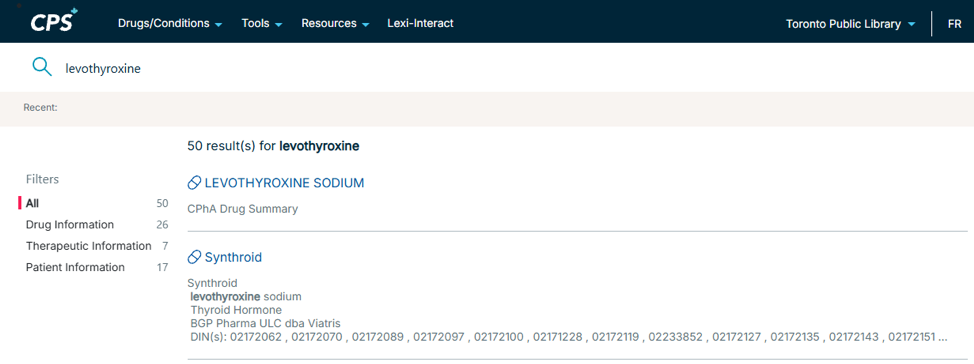
The drug information documents also include drug summaries. Drug summaries bring together the information available in the CPS about a specific drug. Drug summaries are new and their format is still a work in progress.
Select the monograph, patient information or drug summary report for the drug to learn more. These documents can be printed for future reference. Use the keyword search or the table of contents on the left to find a specific piece of information.
Please note: Selected favourites and search history will be cleared at the end of the session.
Searching for conditions and illnesses
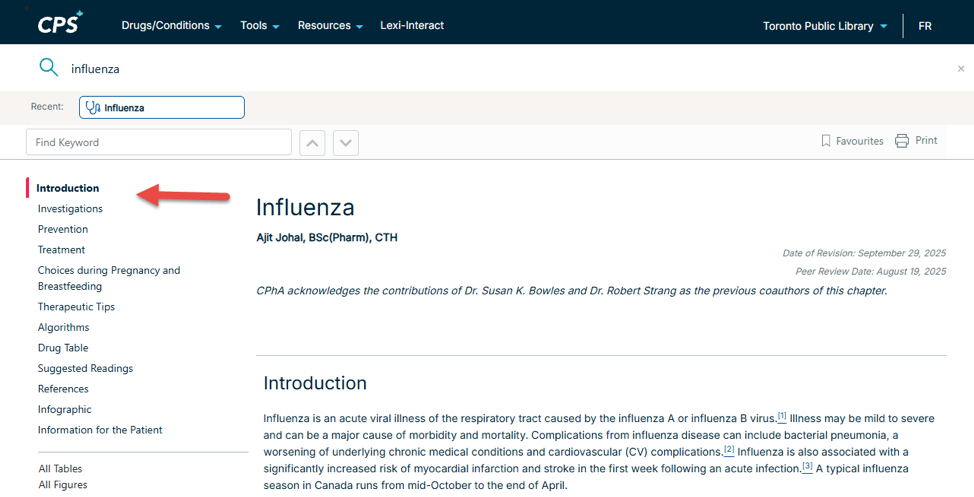
CPS Full Access also includes treatment information for many conditions and common illnesses (called minor ailments). For more effective searching, use medical terminology instead of common terms.
For example, search for ‘influenza’ instead of ‘flu’. A search for ‘influenza’ provides in over 350 results. Limiting the results to Therapeutic Information provides the therapeutic information sheet for this illness at the top of the search results.
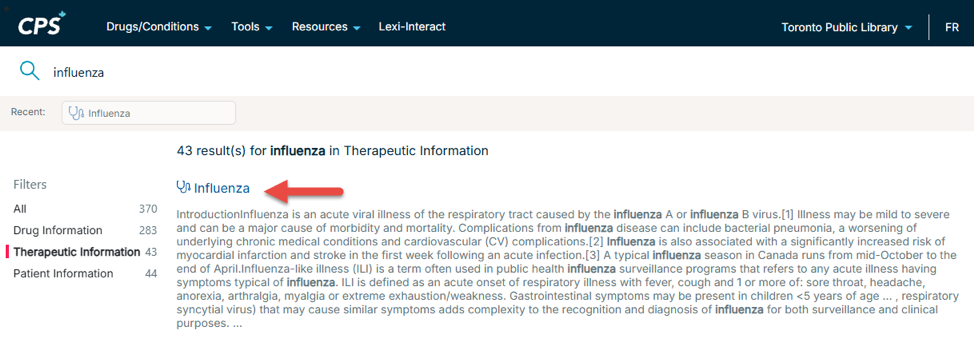
As with drug monographs, a Table of Contents is available on the left to help find specific information. Therapeutic Information documents can be printed.
Lexi-Interact – Drug Interaction Information
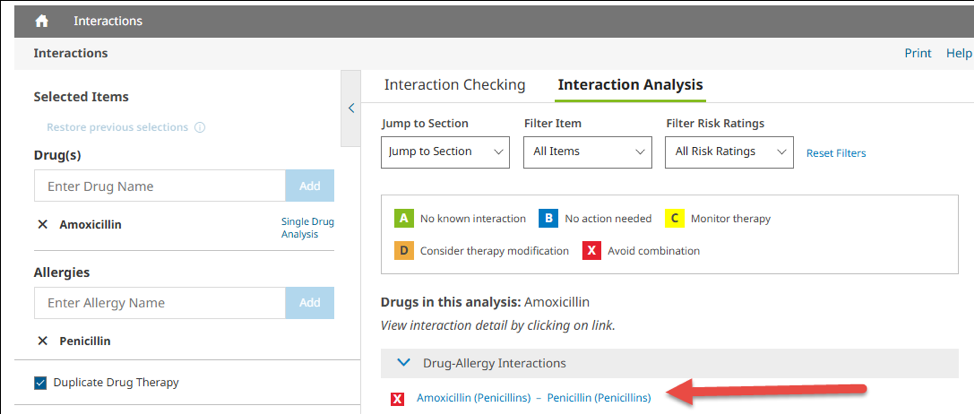
Lexi-Interact is a tool for analyzing drug interactions. Use Lexi-Interact to find out if a medication interacts with an allergy or to view a list of medications that may interact with a specific drug.
- Select Lexi-Interact in the menu

- To search for interactions for a specific drug, type in the name of a drug and then click on View Interactions. For example, a search for caffeine will provide a list of interacting medications.
- To search for interaction with an allergy, type in both the name of the drug and the name of the allergy and click on Analyze. For example, a search of the drug Amoxicillin and the allergy to penicillin will result in a report of a drug-allergy interaction.
- Select the link under Drug-Allergy Interactions in the Interaction Analysis tab to read about this interaction.
Pill Identifier Tool
Identify a pill based on the brand name, imprint (text stamped into the pill), form, shape, colour and/or scoring on the pill.
For example, we will identify a yellow tablet that is oblong in shape and scored.
To access this report, search for the drug by brand name and then and select Patient Medication Information in the filter on the left side. This information package can be printed (use Print to PDF in printer settings, if available, to save a digital copy).
- Select Tools in the menu then Pill Identifier.
- Under Shape, select Oblong.
- Under Select Colour, select yellow.
- Under Scored?, select yes.
There are several pills that match this description. Review the information provided (image, brand name, generic name, details) to assist with identification.

Help with CPS Full Access
- Contact a pharmacist for more information about prescription medications and drug interactions.
- Contact the Canadian Pharmacists Association (CPhA).
- Schedule a Book a Librarian appointment at a local branch.
- Contact Us with your questions.
Comments